The latest
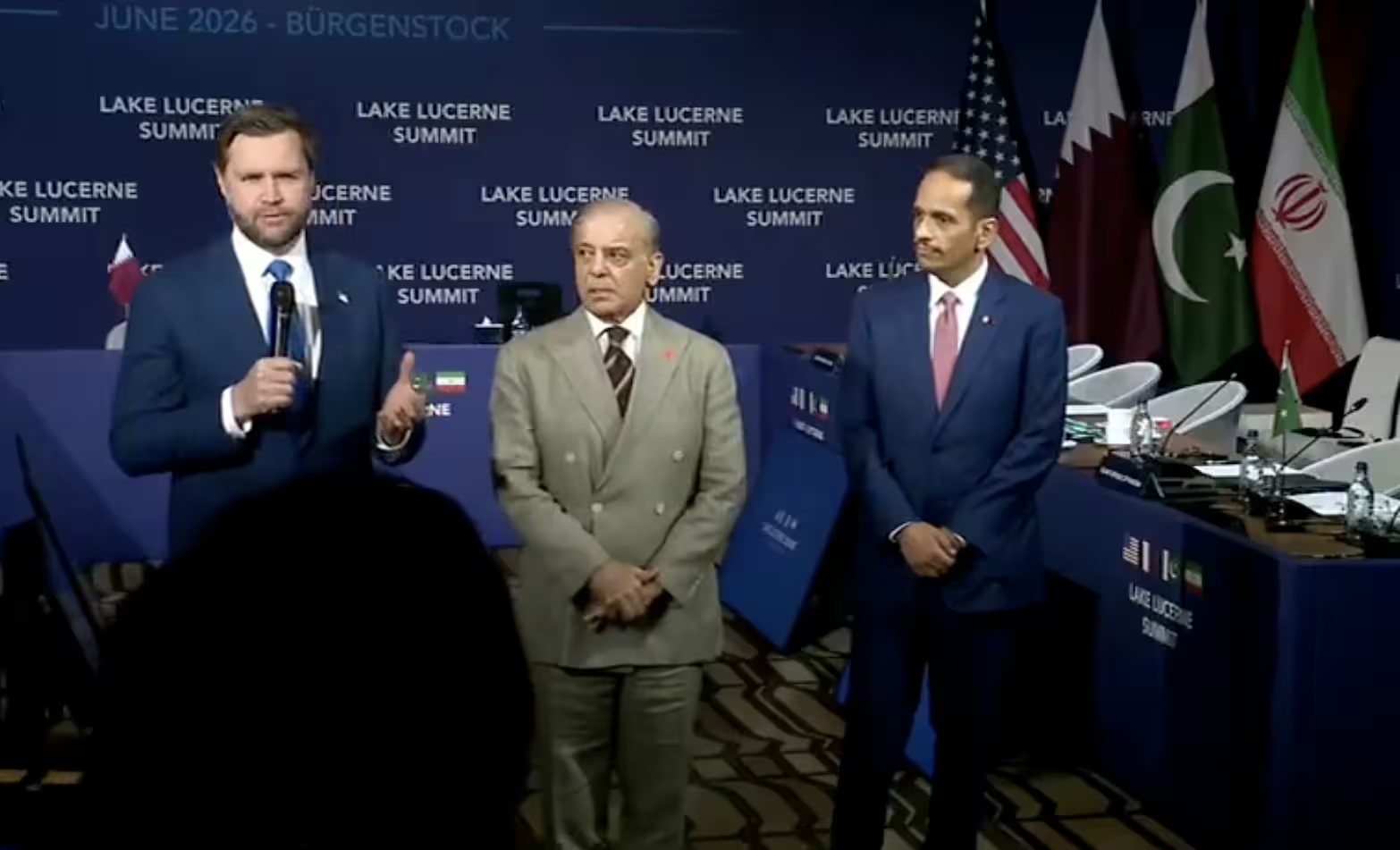
As American and Iranian negotiators gathered at the Bürgenstock resort in Switzerland, Lebanon appeared to be almost as central to the discussions as Iran itself.
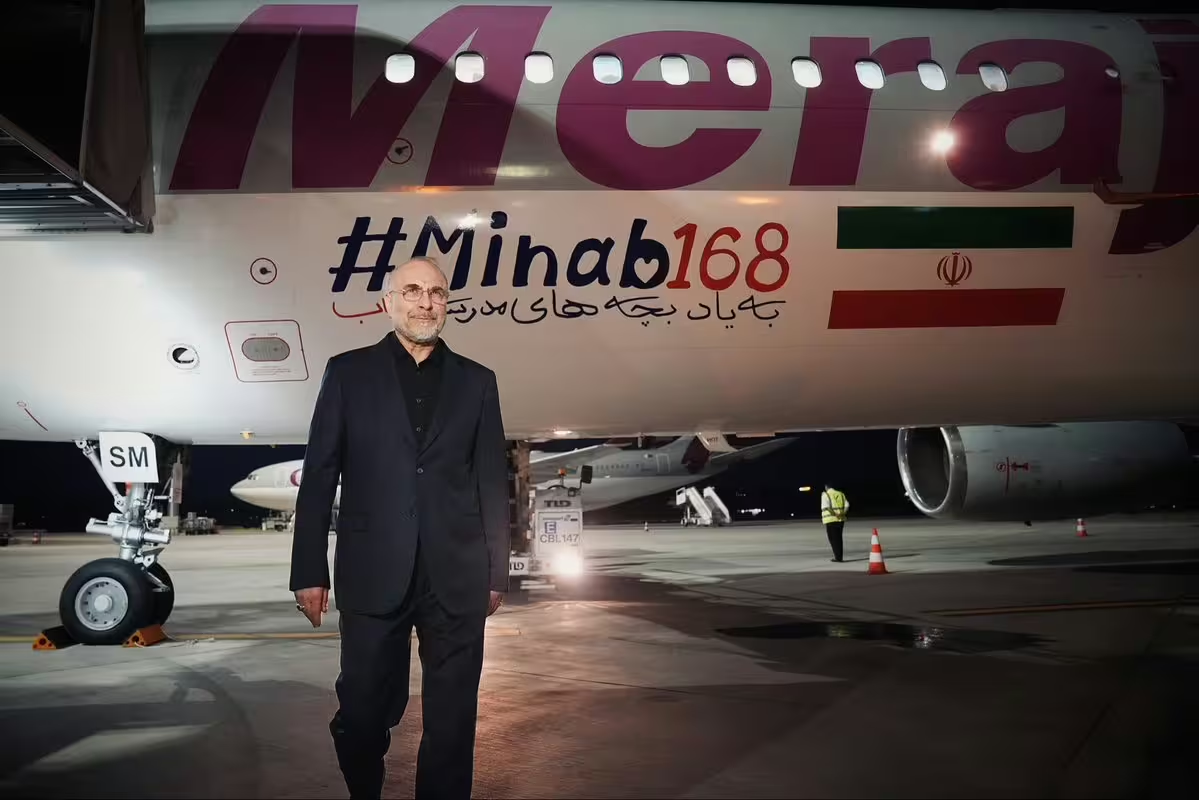
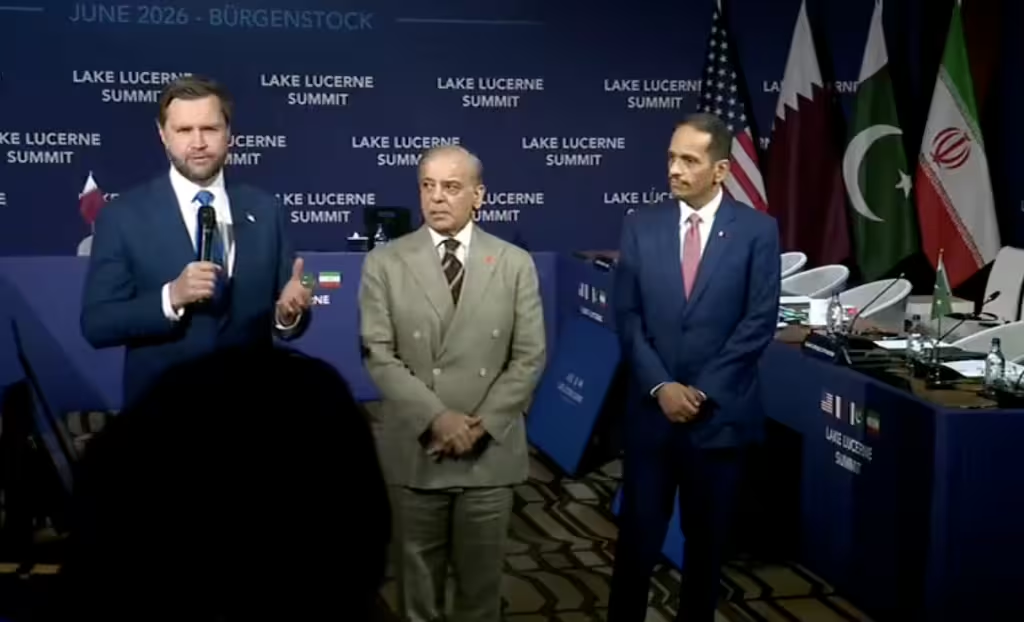
The talks, led by U.S. Vice President J.D. Vance and Iranian Parliament Speaker Mohammad Bagher Ghalibaf, began after being delayed by renewed tensions in southern Lebanon. The timing underscored how stability on the Lebanese front has become a key condition for keeping the diplomatic track between Washington and Tehran alive.
Vance said the Trump administration wants to reshape its relationship with Iran and pursue broader understandings that include a ceasefire in Lebanon. He added that significant progress had been made in recent days and described Lebanon and Iran’s nuclear program as his main priorities heading into the negotiations.
Details
• Qatari and Pakistani officials joined the talks as the main mediators after helping broker the memorandum of understanding that paved the way for the current round of negotiations.
• Iran’s delegation included Foreign Minister Abbas Araghchi alongside officials from the oil sector, the central bank and security agencies, reflecting Tehran’s focus on sanctions relief, frozen assets and security issues.
• Despite the positive tone projected by mediators, Iranian media reported protocol disputes at the outset, including Tehran’s refusal to participate in joint photographs or public handshakes with the U.S. delegation.
• The Strait of Hormuz remains a major source of tension. Iran has again linked its closure threat to Israeli military operations in Lebanon, while Washington insists maritime traffic remains unaffected. The issue has emerged as one of the most sensitive topics surrounding the negotiations.
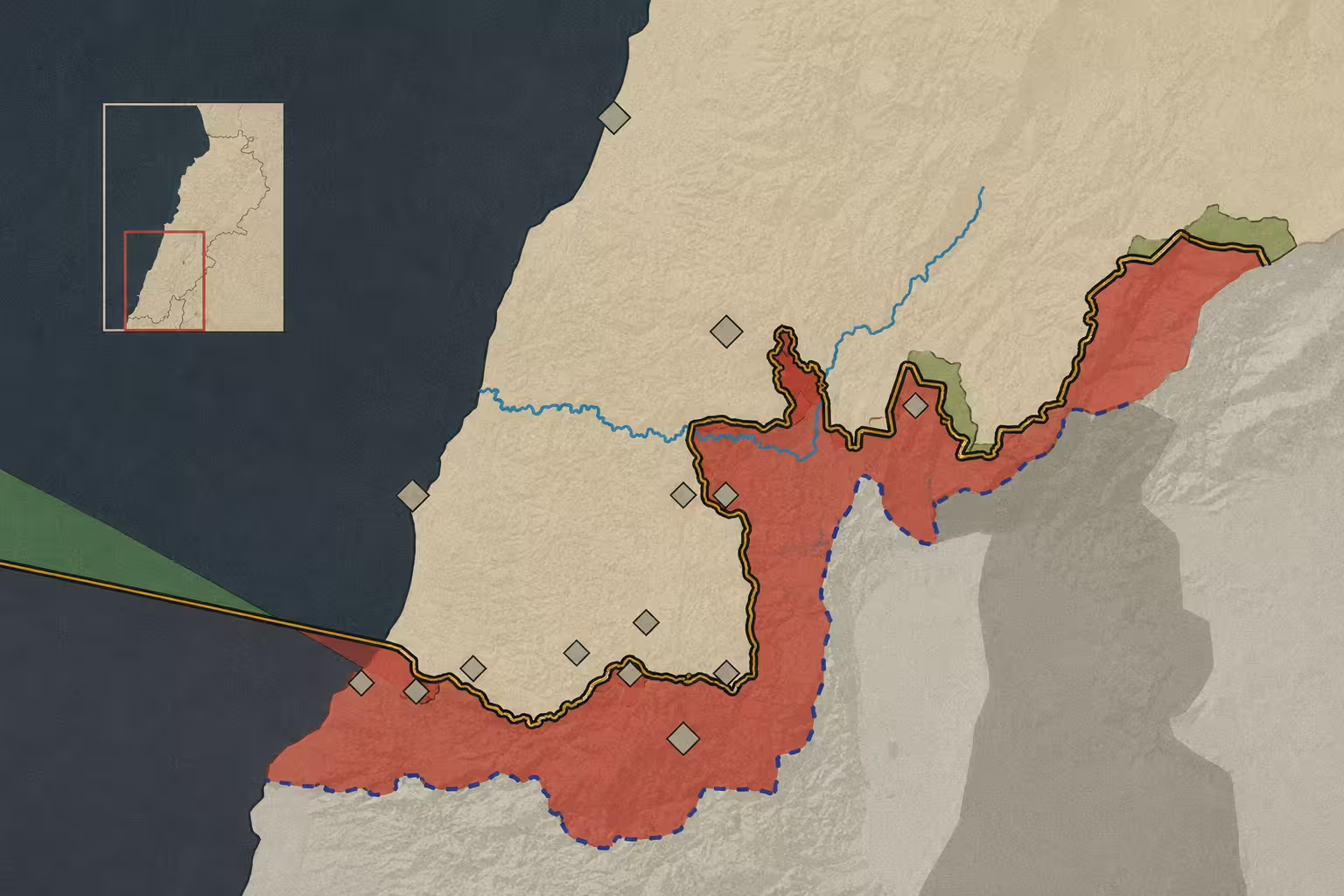
• Israel, meanwhile, has shown little willingness to fully limit its military activity in southern Lebanon. Defense Minister Israel Katz said Israeli forces would continue operating against what he described as security threats despite the ceasefire announcement.
Washington’s two-track message
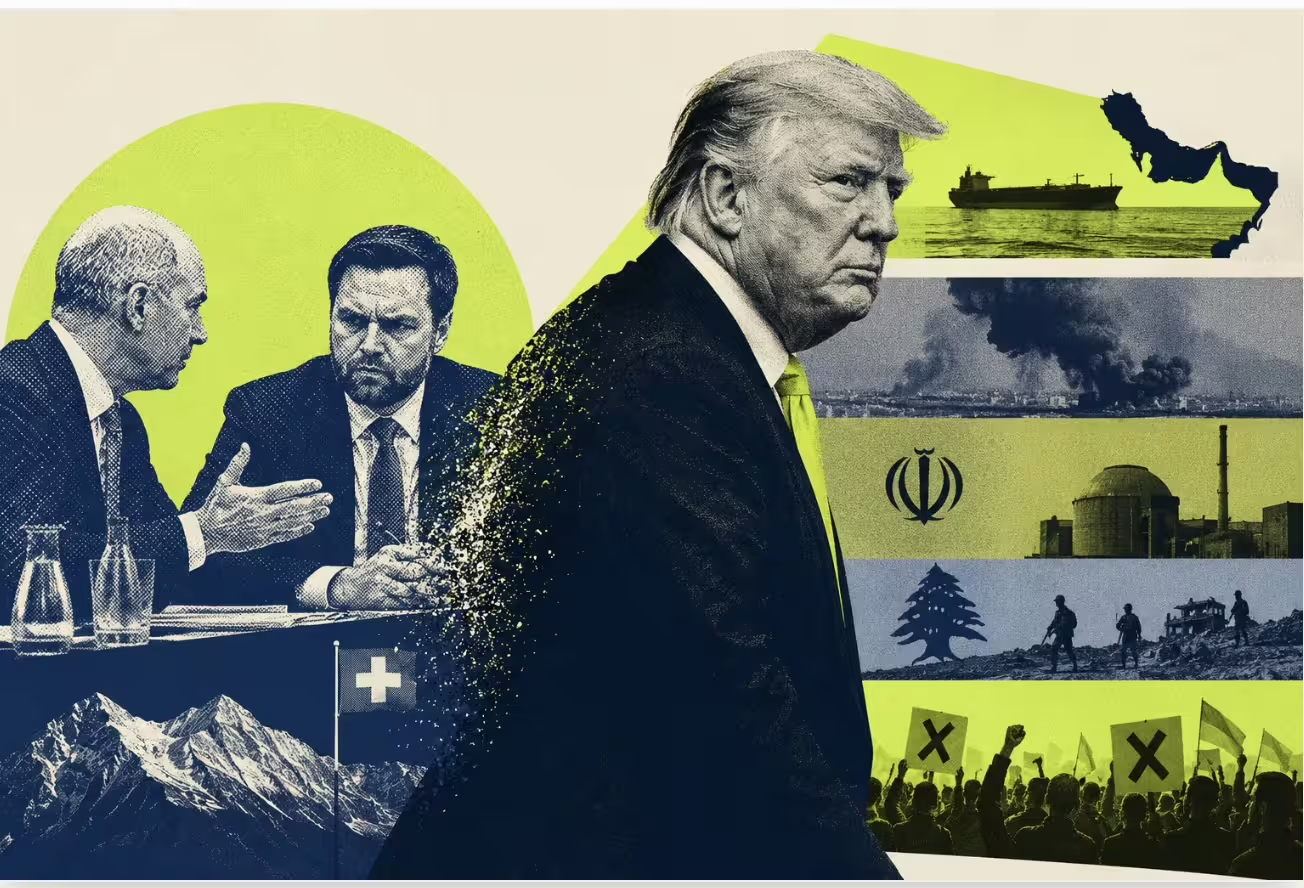
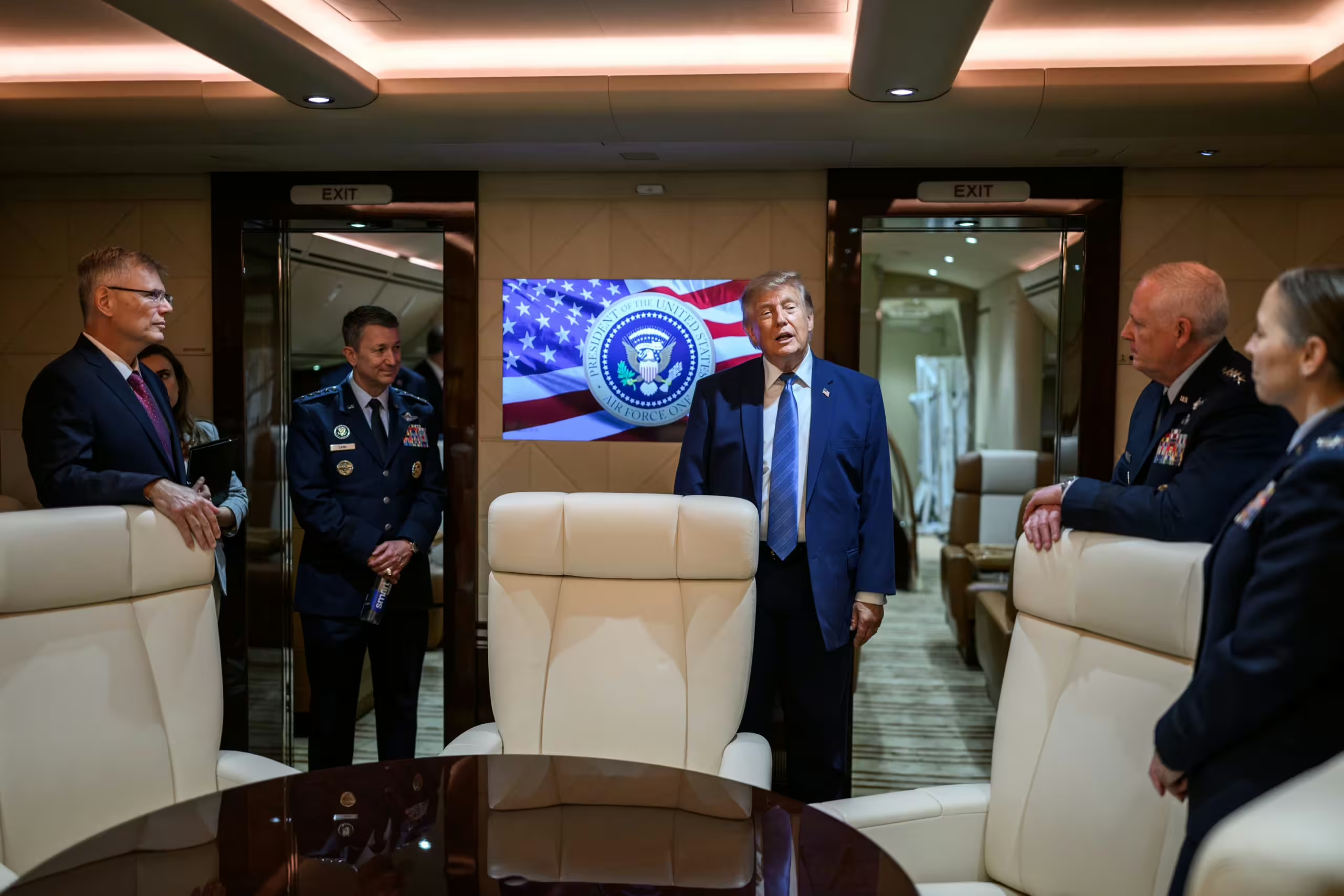
The opening hours of the talks exposed a clear contrast between Vance’s message in Switzerland and Trump’s rhetoric in Washington.
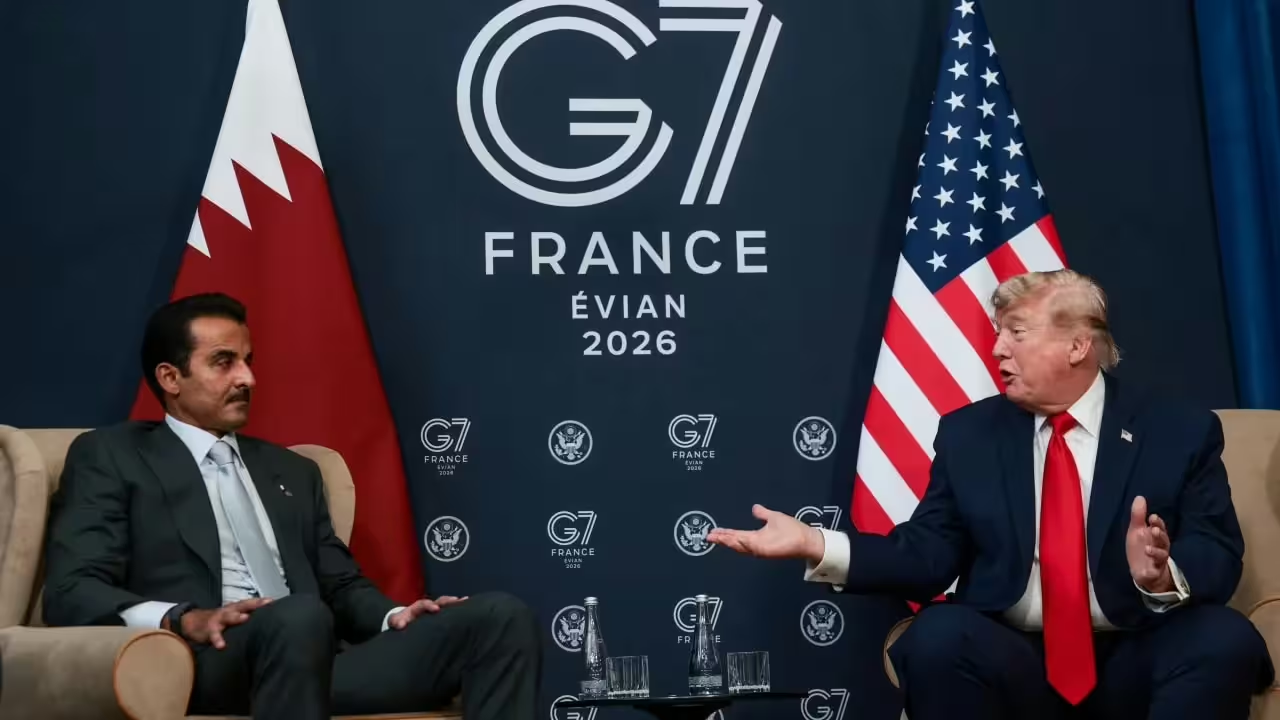
While Vance spoke of peace, prosperity and the possibility of turning a new page with Iran, Trump adopted a far more confrontational tone, warning Tehran of military and economic consequences if it continued supporting Hezbollah or interfered with navigation through the Strait of Hormuz.
Trump also revived the idea of giving Syria a larger role in confronting Hezbollah in southern Lebanon.
The difference does not necessarily signal a split within the administration. Instead, it reflects a familiar strategy: Vance negotiates while Trump keeps pressure on the table.
What to watch
The key question is no longer whether Washington and Tehran can negotiate. It is whether they can keep Lebanon stable enough to prevent the talks from collapsing.
Previous rounds were disrupted by developments on the ground in Lebanon, and another breakdown of the ceasefire could quickly derail the diplomatic process, even if progress is made elsewhere.
The dispute over the Strait of Hormuz also bears watching. What is currently a negotiating pressure point could evolve into a broader international crisis if the issue remains unresolved.