The latest
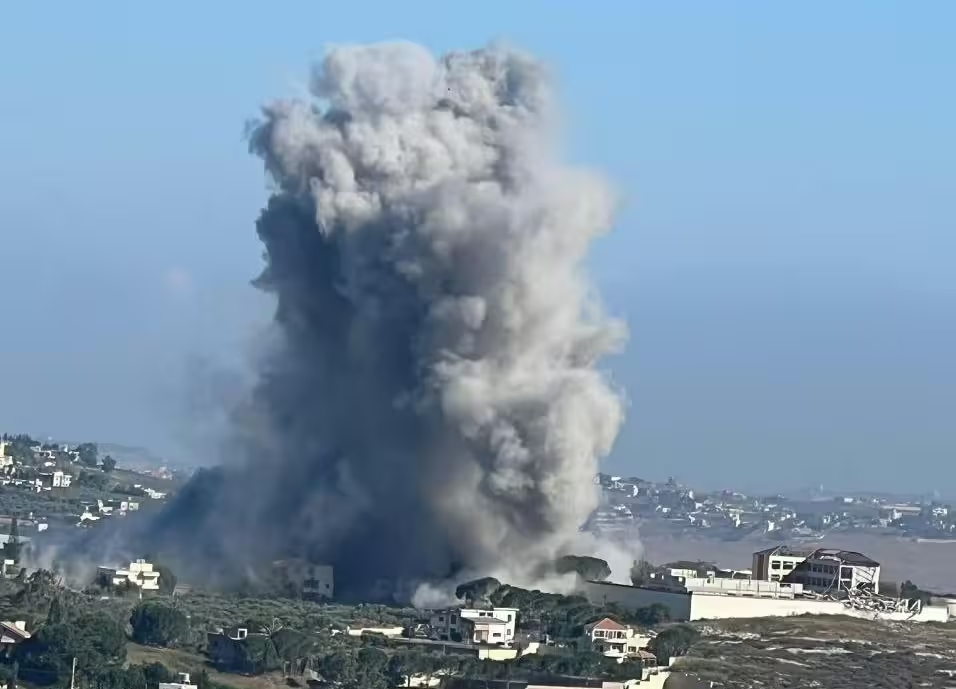
Just as many expected the preliminary U.S.-Iran understanding to unravel after the latest escalation in Lebanon, Tehran chose a different path: pressure on one hand and diplomacy on the other.
After announcing the closure of the Strait of Hormuz in response to what it called ongoing Israeli violations in Lebanon, Iran confirmed it would still participate in talks with the United States at the Bürgenstock resort in Switzerland. The move highlights Tehran’s effort to preserve its leverage without abandoning negotiations.
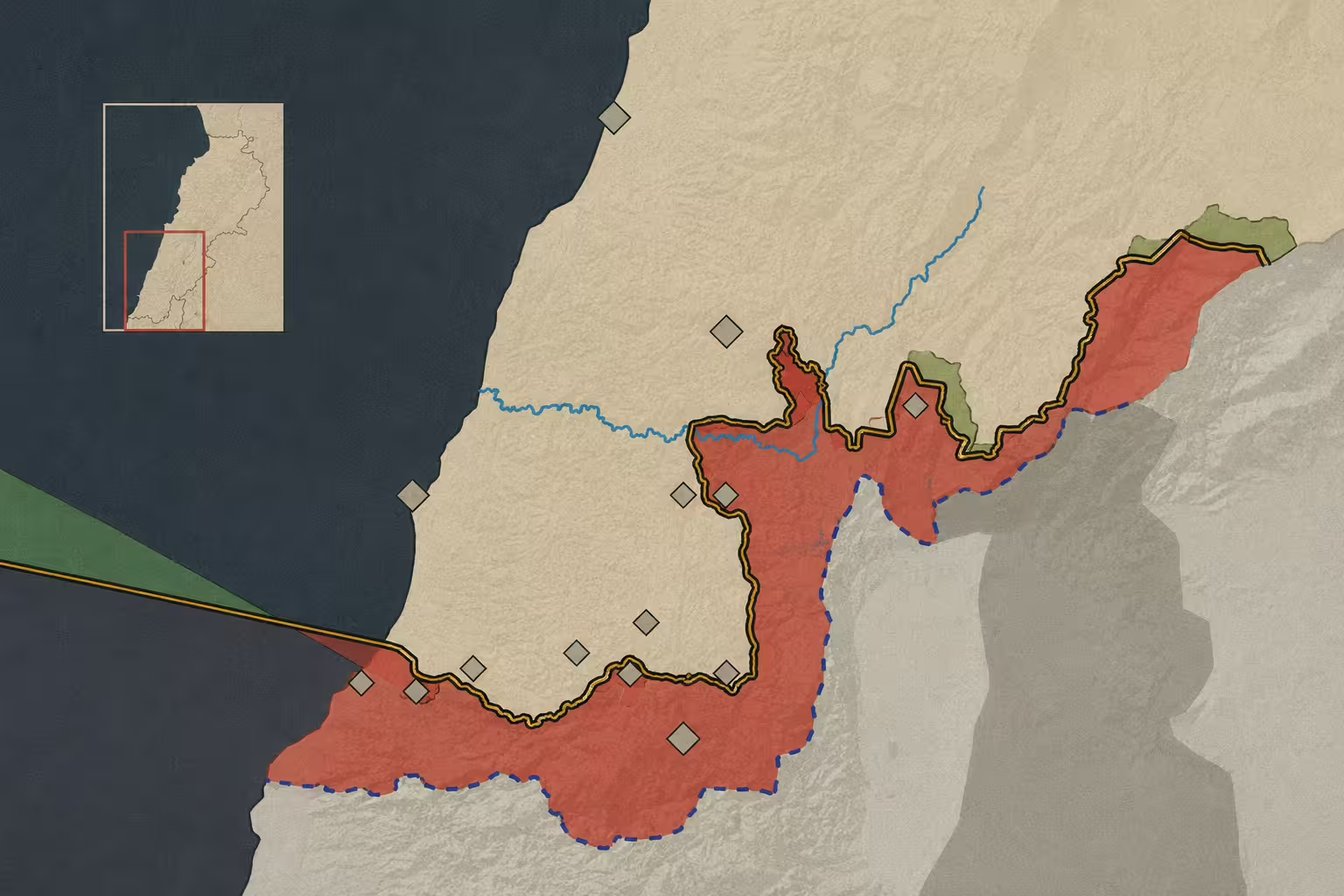
According to U.S. media reports, Lebanon has been added to the agenda as an emergency topic and is expected to be discussed before other issues. Iran has repeatedly argued that continued fighting there threatens progress on any broader agreement with Washington.
Details
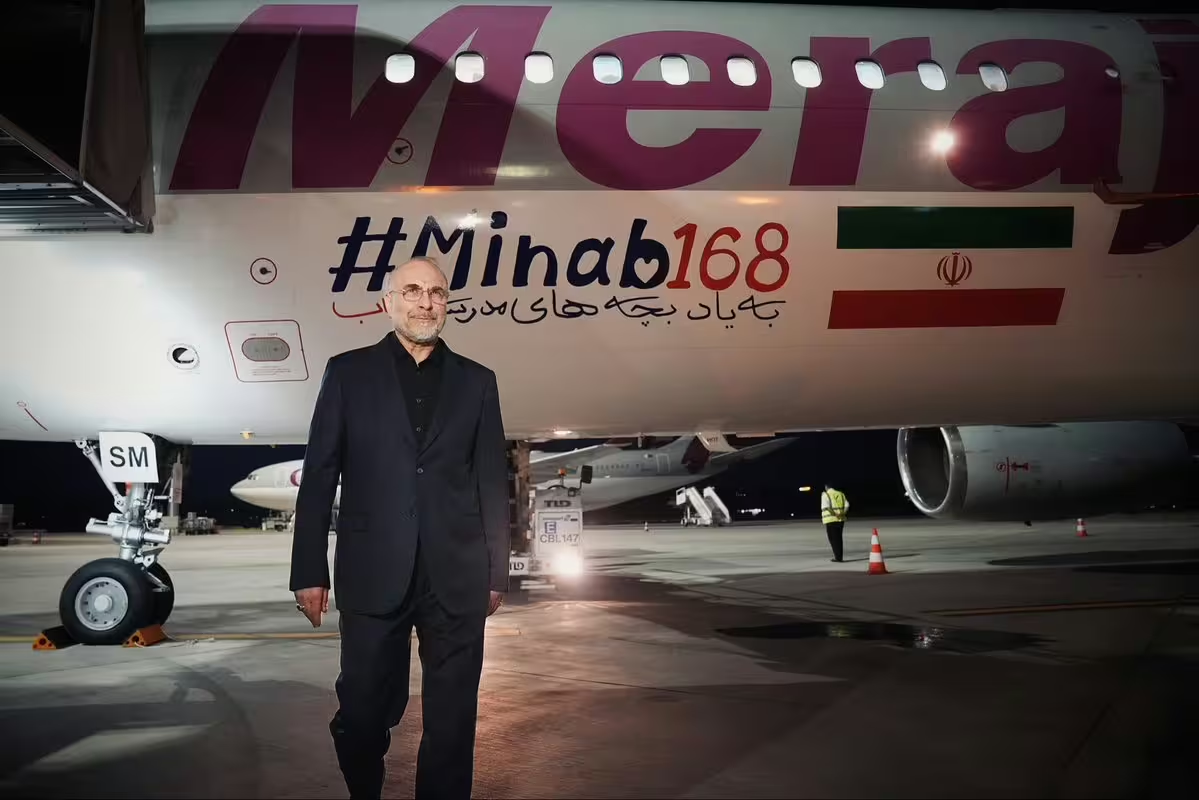
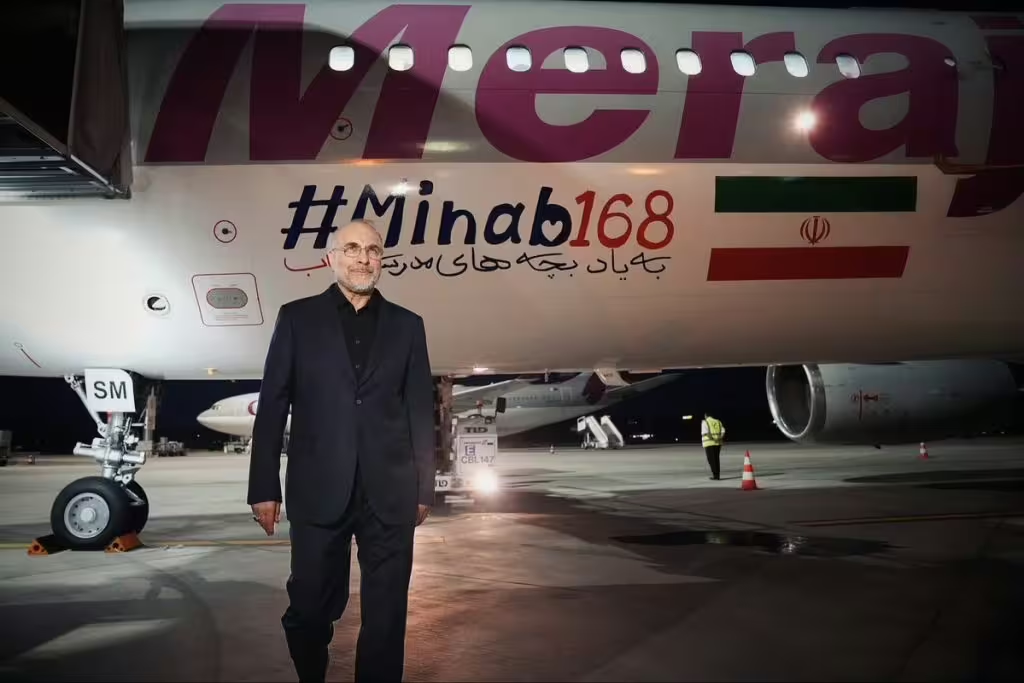
• Iranian Parliament Speaker Mohammad Bagher Ghalibaf is leading Tehran’s delegation alongside Foreign Minister Abbas Araghchi. The U.S. team includes special envoy Steve Witkoff and Jared Kushner, with Vice President J.D. Vance expected to join the discussions.
• Iranian officials told U.S. media outlets that ending the conflict in Lebanon remains a key condition before moving into formal negotiations on a final agreement.
• CNN reported that Iranian officials view Lebanon as the top priority in the current round of talks and do not consider these meetings part of the agreement’s formal implementation phase until key commitments are fulfilled.
• Despite threats involving the Strait of Hormuz, the U.S. military has said the waterway remains open and that American forces continue to monitor maritime traffic.
• The strait remains one of Tehran’s most powerful pressure points, carrying roughly one-fifth of global oil shipments and making it a critical concern for Washington and energy markets.
• The nuclear issue remains in the background but has not disappeared. The preliminary understanding reportedly includes an Iranian commitment not to pursue nuclear weapons while both sides negotiate the future of Iran’s enriched uranium stockpile and long-term monitoring arrangements.
Why Iran Is Still Negotiating
Rather than abandoning diplomacy, Tehran appears to be trying to reshape the terms of the talks.
Instead of walking away, Iran is using Lebanon and the Strait of Hormuz as leverage to secure additional concessions and push regional issues into the core of the negotiations rather than treating them as separate files.
Iran’s leadership also understands that collapsing the talks after weeks of diplomatic efforts could increase the risk of direct confrontation and deepen economic pressure at a time when it is still seeking sanctions relief and long-term economic guarantees.
Israeli officials, meanwhile, argue that Tehran is attempting to blame Israel for any breakdown in the agreement by linking the future of the talks to events in Lebanon. Washington has rejected that framing and insists negotiations will proceed as planned.
What to watch
The real test in Switzerland may not be the nuclear issue alone. The larger question is whether Washington and Tehran can prevent the conflict in Lebanon from overwhelming the broader diplomatic process. If Lebanon becomes a precondition for progress, the negotiations could face their toughest challenge yet.