The latest
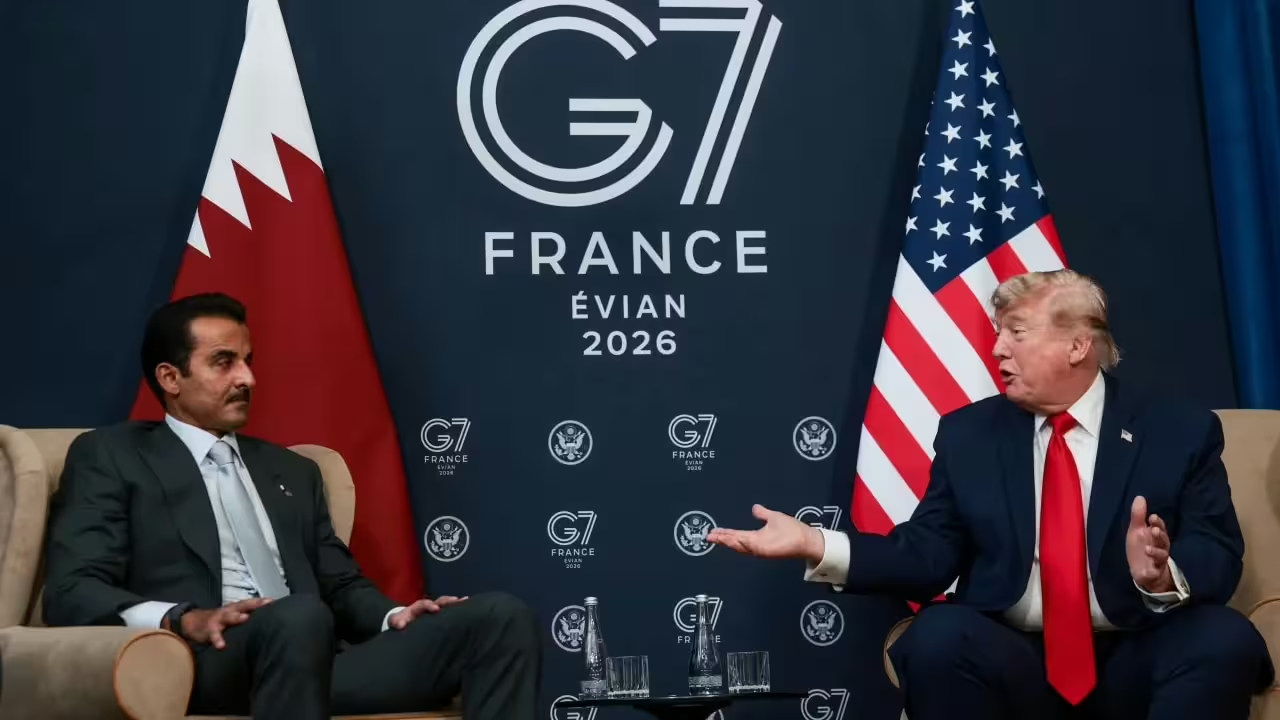
Qatar is playing a more sensitive role in the current U.S.-Iran track than the word “mediator” suggests.
According to The Wall Street Journal, the United States and Qatar are working on a plan that would allow Iran to use $6 billion in frozen funds held in Qatar. The money would be restricted to purchases of food, medicine and other humanitarian goods.
That makes Doha more than a diplomatic channel.
It turns Qatar into a financial gateway for the first economic incentive Iran may receive for staying inside the negotiations.
Details
• The funds come from Iranian oil revenues frozen under sanctions.
• The proposed mechanism would allow Iran’s central bank to use the money for specific humanitarian purchases.
• The first pool would be the $6 billion currently held in Qatar.
• The money was originally transferred from South Korea to Qatar in 2023 under a U.S. sanctions waiver issued during the Biden administration.
• The funds were later frozen after the October 7 attack.
• They are now back at the center of U.S.-Iran diplomacy as a possible financial inducement under a humanitarian label.
• According to The Wall Street Journal, Iran has not yet agreed to the framework.
• The plan has been added to the list of issues for future U.S.-Iran talks.
• A U.S. official said the funds would remain available as long as Iran remains engaged in negotiations.
• That means Washington is not offering immediate sanctions relief. It is offering a conditional pathway: humanitarian money in exchange for continued diplomacy.
Why Qatar matters
Qatar is performing two roles at once.
It is a political mediator in the Swiss talks. But it is also a financial platform that allows Washington to move money without giving Iran unrestricted cash access.
The formula works for Washington because it can argue the funds will go to food and medicine, not the Revolutionary Guard or Hezbollah.
It works for Tehran because it gives the regime a tangible postwar gain it can sell at home: Iranian money is starting to move.
And it works for Qatar because it makes Doha part of the deal’s execution, not just its messaging. It also feeds Qatar’s long-standing ambition to be indispensable as a mediator in high-risk regional files.
The bigger picture
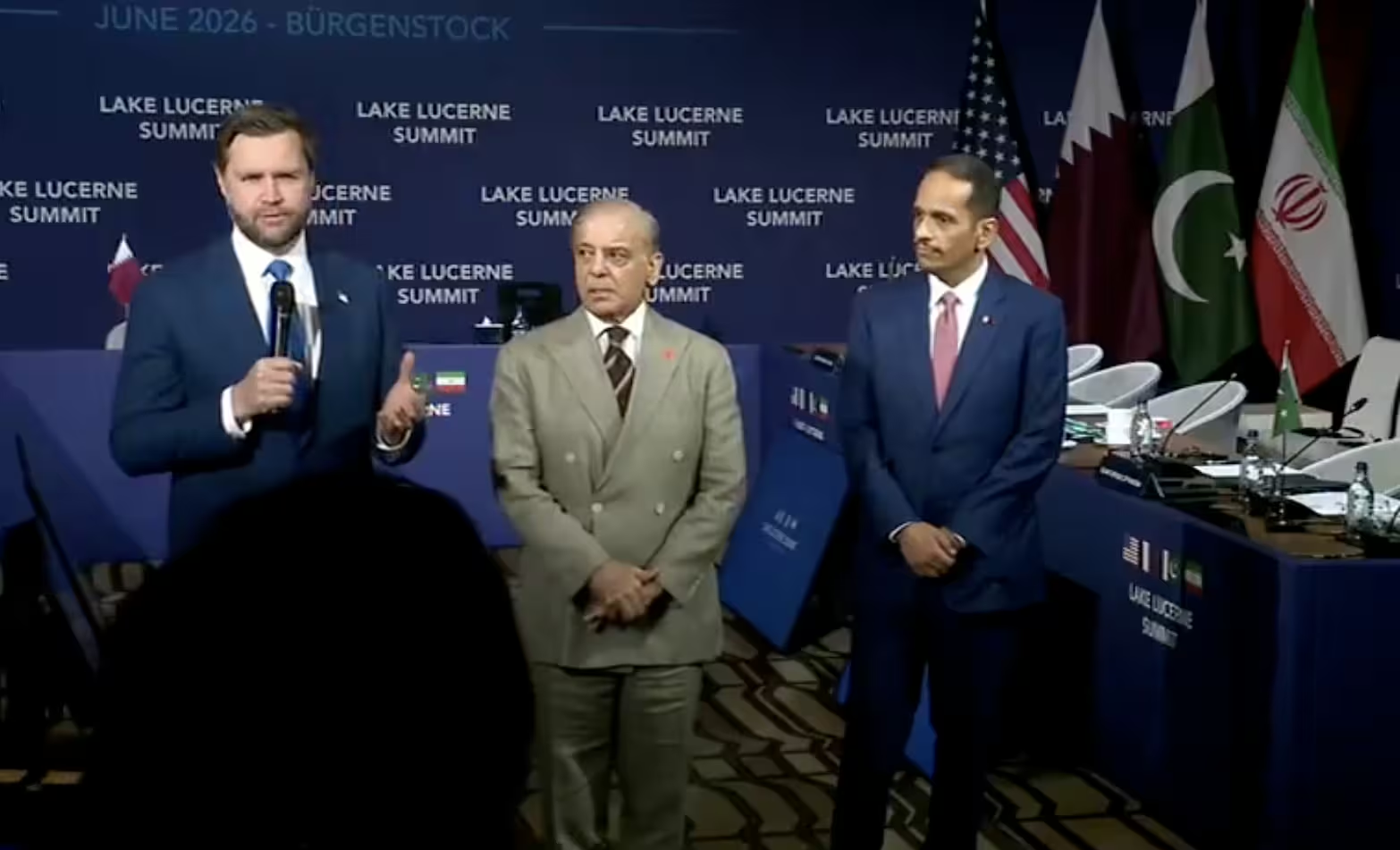
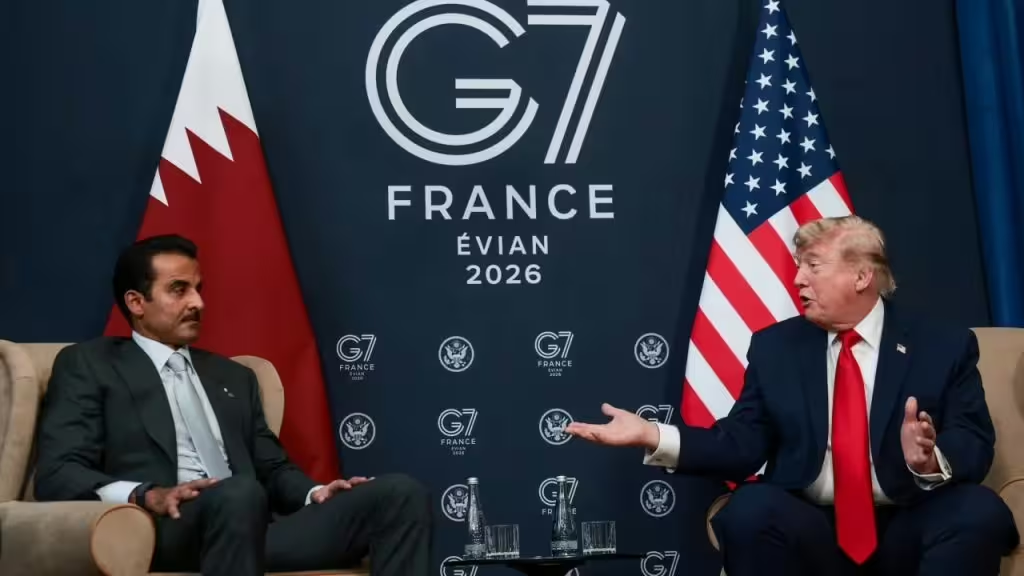
In Switzerland, Washington needs Qatar to keep channels open with Tehran.
On the financial track, it needs Qatar to create a safe space between sanctions and a full release of Iranian assets.
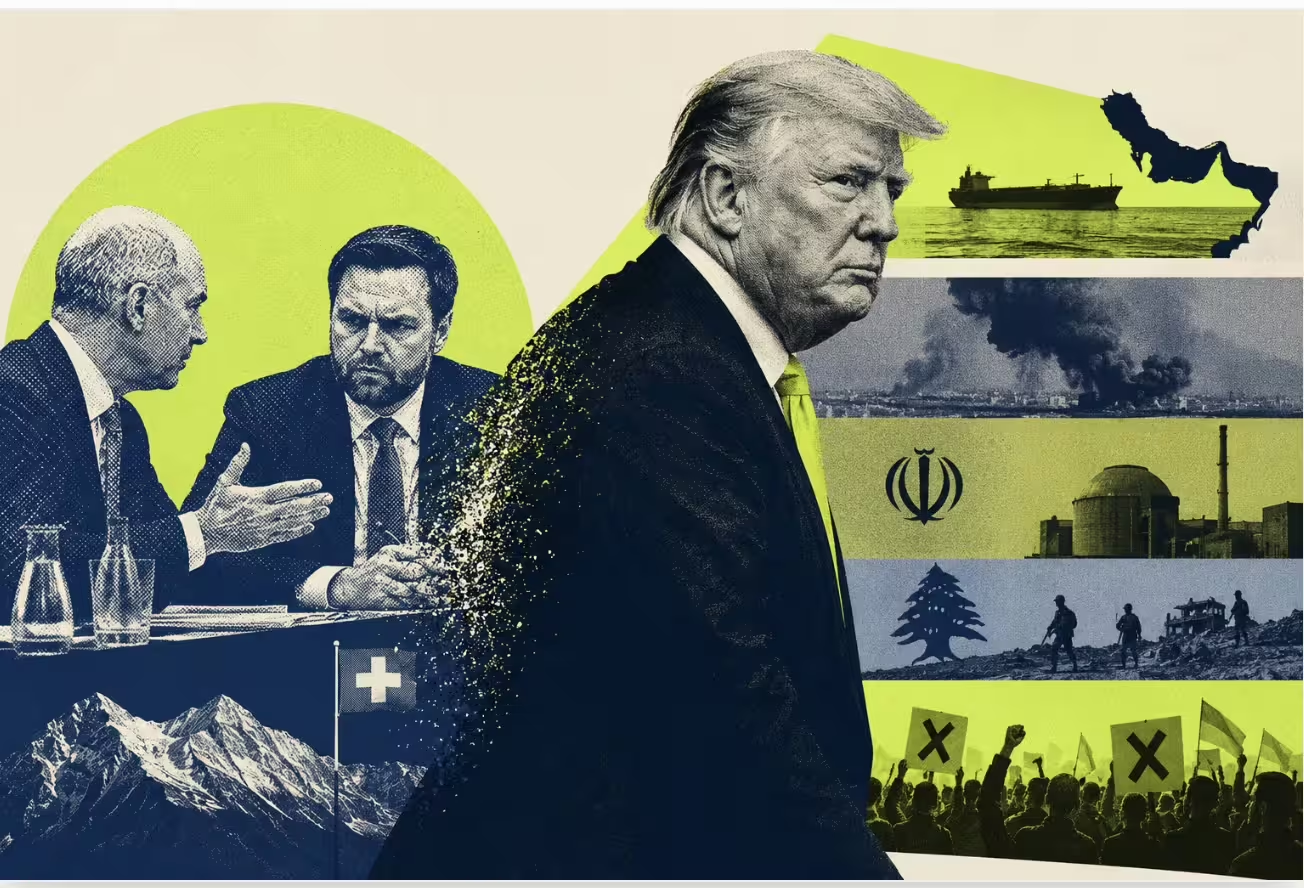
That explains why Doha is present across several tracks:
• The political channel between Washington and Tehran.
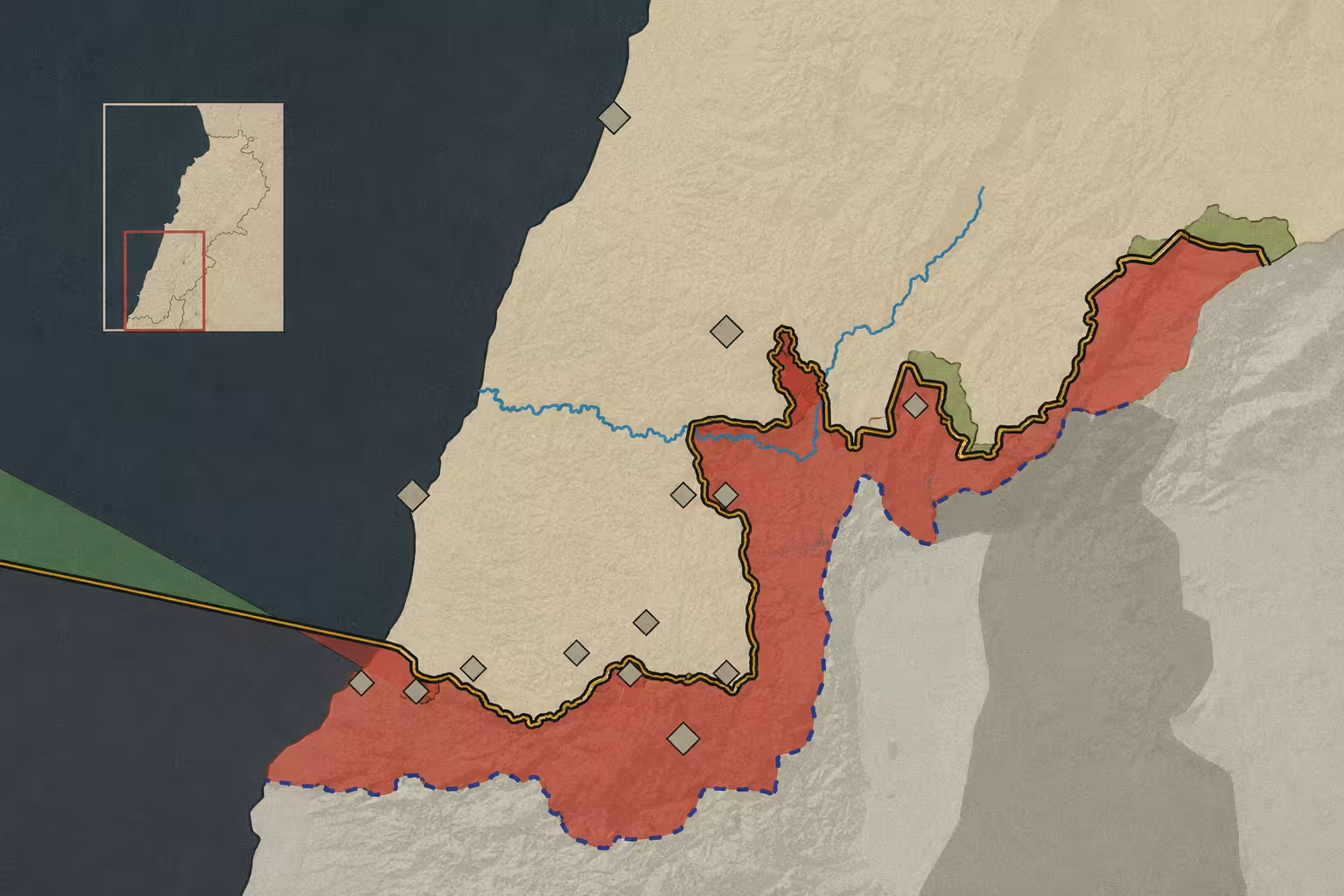
• The Lebanon ceasefire track, where any flare-up could derail the talks.
• The Strait of Hormuz file, where maritime pressure can quickly hit energy markets.
• The frozen-assets track, where humanitarian access becomes a bargaining chip.
The story is not simply that Qatar is helping the talks.
The story is that the deal may need Qatar to turn a political text into a working cash mechanism.
A precedent in the making
The most important part of the plan is that it could become a precedent.
According to the report, the $6 billion mechanism could be used as a model for releasing larger pools of Iranian money later. Tehran is already seeking rapid access to an initial $24 billion tranche.
That is where Qatar’s role could become controversial.
For Iran, the money is a sovereign asset that was frozen and should be released.
For Washington, it is leverage that should remain tied to Iran’s behavior on the nuclear file, Lebanon and Hormuz.
For Israel and Trump’s critics, any release of funds — even under a humanitarian framework — could look like an early concession to Tehran before clear limits are imposed on its nuclear program, missiles and proxies.
Pakistan gives the process cover. Qatar gives it tools.
Pakistan provides the public political frame.
Qatar provides the operating system.
Islamabad carries the name and the first layer of mediation. Doha carries the practical channels: money, messages, guarantees and the ability to keep Tehran in the room when fighting escalates in Lebanon or risks rise in Hormuz.
That makes Qatar’s role quieter than Pakistan’s.
But in the implementation phase, it may prove more consequential.
What to watch
First: Will Iran accept access to the Qatar-held funds through a restricted humanitarian channel, or demand faster and broader access?
Second: Will the $6 billion mechanism become a template for larger releases of frozen Iranian assets?
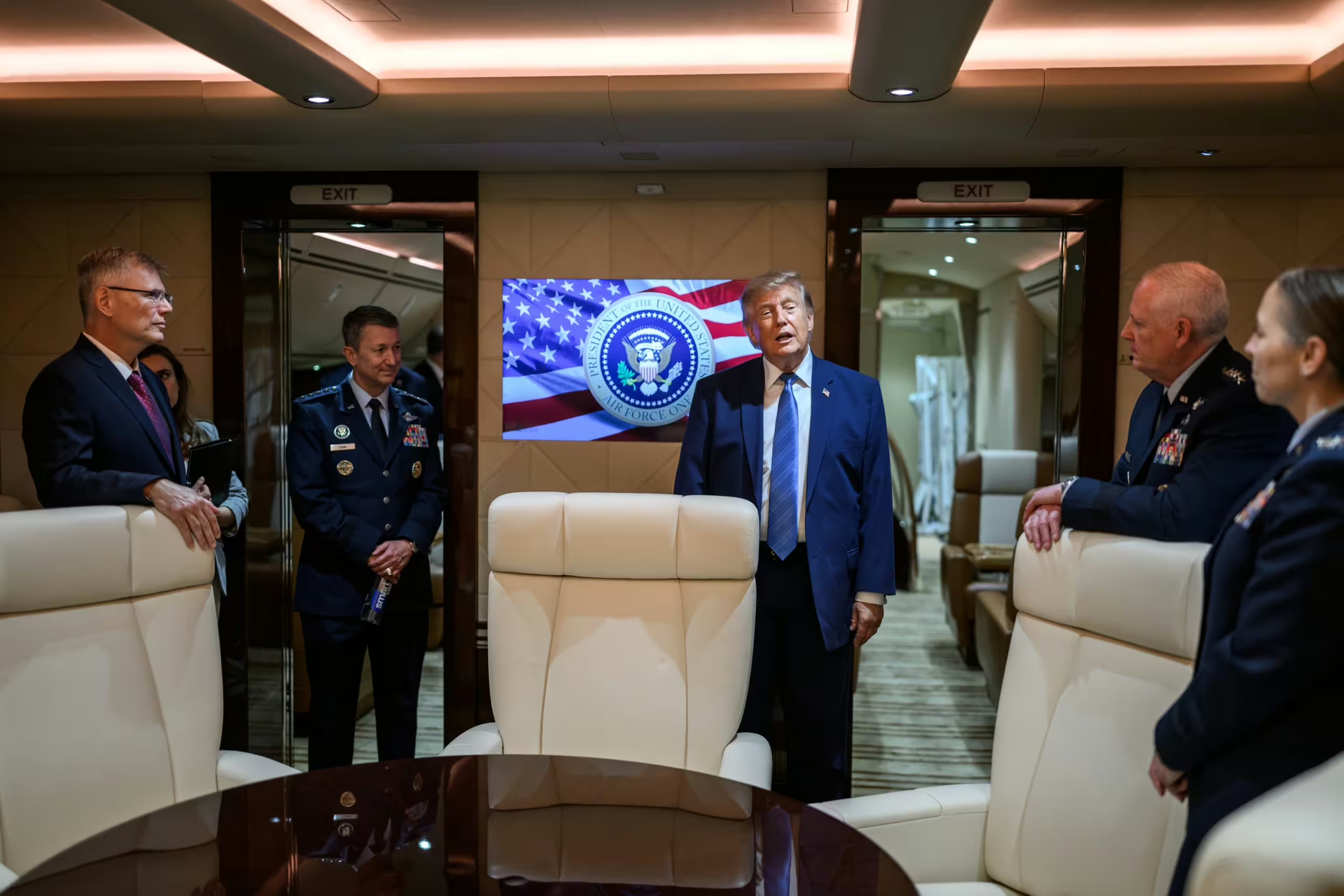
Third: Will Trump use the framework to defend the deal at home by arguing that Iran is not receiving free cash, only a humanitarian window?
Fourth: Will Israel and the U.S. right attack the plan as a financial reward for Tehran before Washington secures nuclear and security concessions?