The latest
Donald Trump wanted a fast exit from the Iran war.
The ceasefire gave him one. But the aftermath is now dragging him back into the crisis he hoped to leave behind.
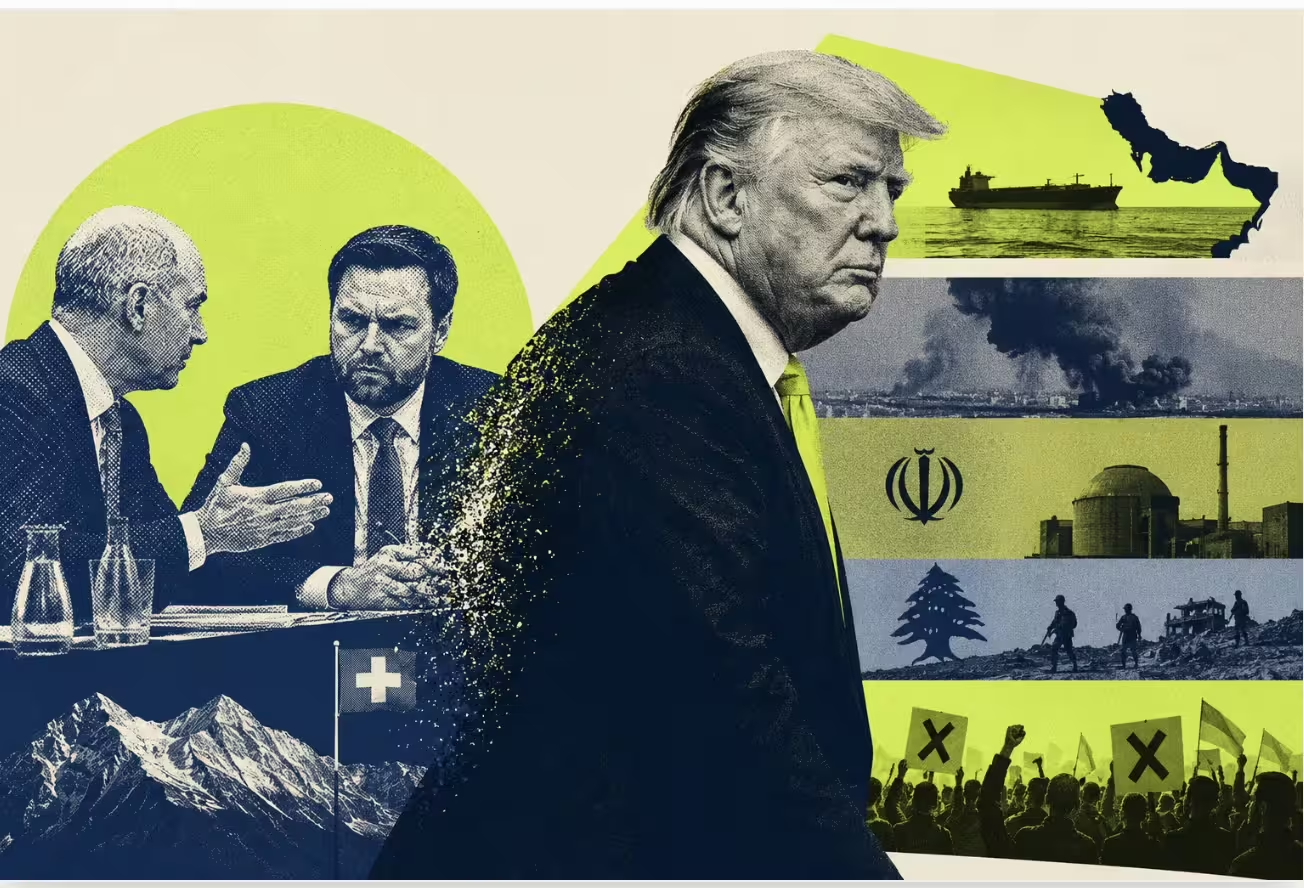
According to The Washington Post, Trump’s Iran deal is facing pressure on several fronts. Tehran is using the Strait of Hormuz as leverage. Israel and Hezbollah are still trading fire. And some of Trump’s conservative allies are accusing him of giving away too much for a fragile agreement.
Details
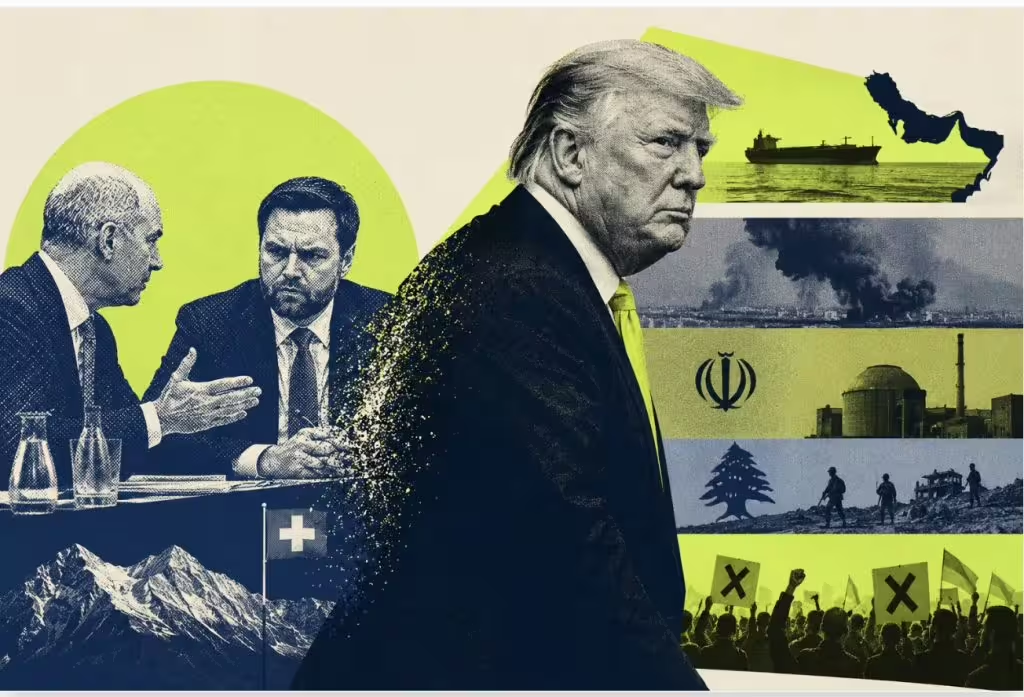
• The Swiss talks are being led on the U.S. side by Vice President JD Vance, alongside senior administration officials.
• Washington wants to turn the ceasefire into a broader deal that blocks Iran from obtaining a nuclear weapon in exchange for sanctions relief.
• The problem is that Trump is no longer entering the talks from the same position of strength he had before the war.
• Before the U.S. strikes in February, Tehran feared the campaign could threaten the regime itself.
• Now, The Washington Post says, Iran’s leadership has shown it can survive a prolonged U.S.-Israeli campaign, even after the death of Ali Khamenei.
• Iran did not simply emerge from the war intact. It emerged with a clearer pressure point: the Strait of Hormuz.
• Tehran says it closed the strait in response to Israeli strikes in Lebanon and what it calls violations of the deal.
• The U.S. military says the waterway remains open to traffic.
• Ship-tracking firms have recorded a steep drop in crossings compared with prewar levels.
• That gives Iran a way to shake energy markets without having to launch a full naval confrontation.
Trump is trying to deny Tehran the power to impose tolls or disrupt passage. He wrote that transit through Hormuz would remain toll-free during the ceasefire period and afterward. At the same time, he floated the idea of charging regional countries U.S. fees for Washington’s role as the “guardian” of the waterway.
That captures the dilemma. Trump wants cheap oil, calm markets and a quick agreement. He does not want the military cost of enforcing all three.
Lebanon is the second pressure point
The U.S.-Iran deal folded the Lebanon ceasefire into the broader arrangement. That puts Washington in a difficult position with Israel.
Under the memorandum, Iran committed to halting Hezbollah attacks on Israel.
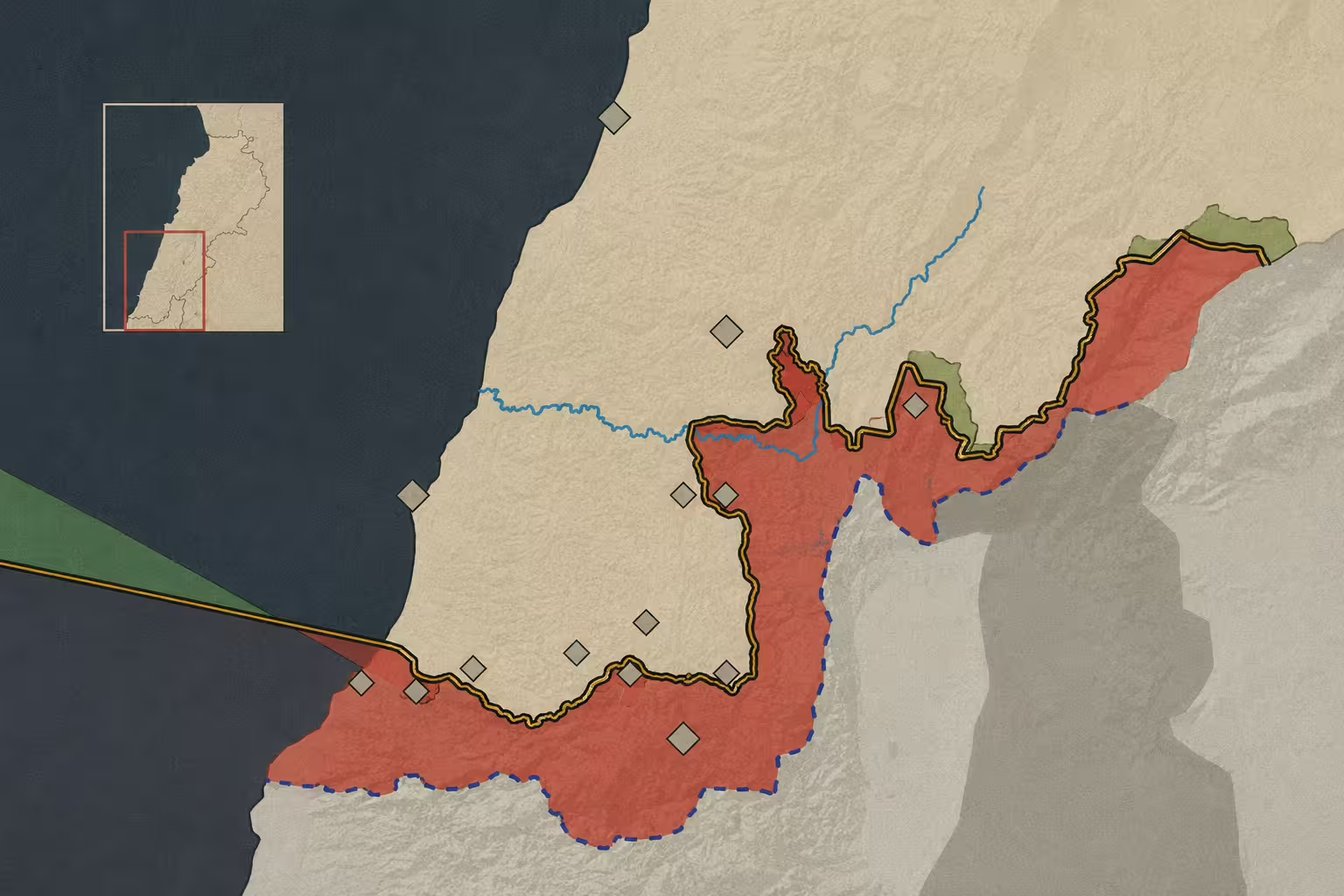
But Israel has continued striking what it says are Hezbollah positions in Lebanon, after four Israeli soldiers were killed in a Hezbollah ambush in Kfar Tebnit.
That leaves Vance managing two files at once: Iran’s nuclear program and the Israel-Hezbollah ceasefire.
It also turns Switzerland into more than a negotiating venue. It is now an emergency room for keeping the deal alive.
The backlash is coming from inside Trump’s camp
The pressure is not only coming from Tehran and Tel Aviv.
Inside Trump’s own coalition, criticism of the deal is growing. Some voices that supported the initial strikes on Iran now argue that Trump has retreated too far, especially after he and Vance criticized Israel for continuing operations in Lebanon.
Even some conservative figures close to Trump are asking how Israel can be expected to comply with a plan it did not help negotiate.
That criticism goes to the most sensitive part of the deal: Trump negotiated with Iran over a framework that touches Lebanon and Israel, without securing full Israeli buy-in for the behavior Washington now wants from it.
Israel does not want to be constrained by an agreement it was not party to.
Trump’s allies at home do not want him to look as though he handed Iran free gains.
That is why the Swiss talks now look like a real test of what is left of Washington’s leverage after the war.
What to watch
First: Can Vance stabilize the Lebanon ceasefire and stop Israel and Hezbollah from blowing up the Swiss track?
Second: Will Iran accept real limits on its nuclear program, or use Hormuz and sanctions relief to extract more concessions?
Third: Can Trump contain the backlash from his own camp if the deal appears to give Tehran more influence in the Gulf and Lebanon?