Details
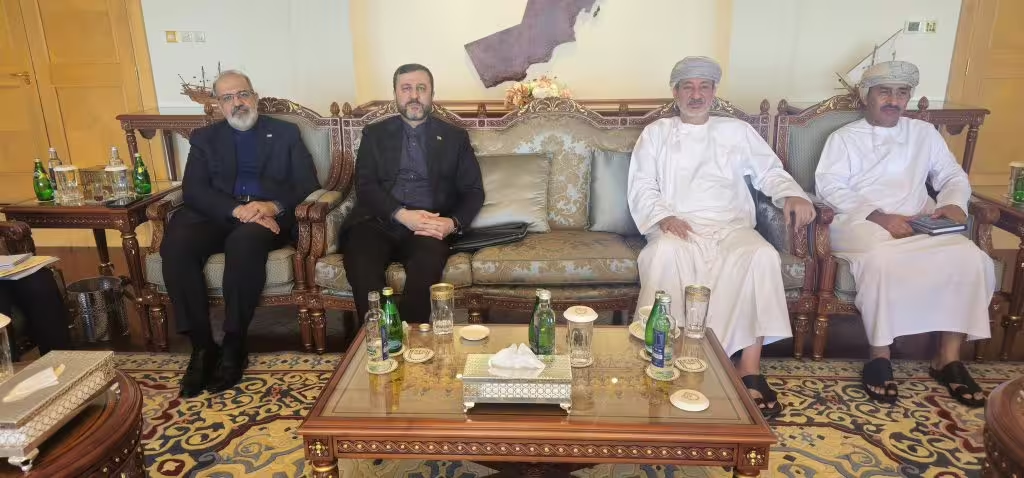
Iran and Oman have launched a new round of coordination over the Strait of Hormuz after Iranian Deputy Foreign Minister Kazem Gharibabadi announced the first meeting of the joint committee on the waterway in Muscat. The meeting follows the provisional understanding reached between Tehran and Washington earlier this month.
According to Gharibabadi, the two sides discussed the sovereign rights of the coastal states and future mechanisms for managing the strait. The talks suggest Iran is pushing to keep decisions over Hormuz in the hands of the countries that border it—primarily Iran and Oman—rather than under international security arrangements led by the United States and its allies.
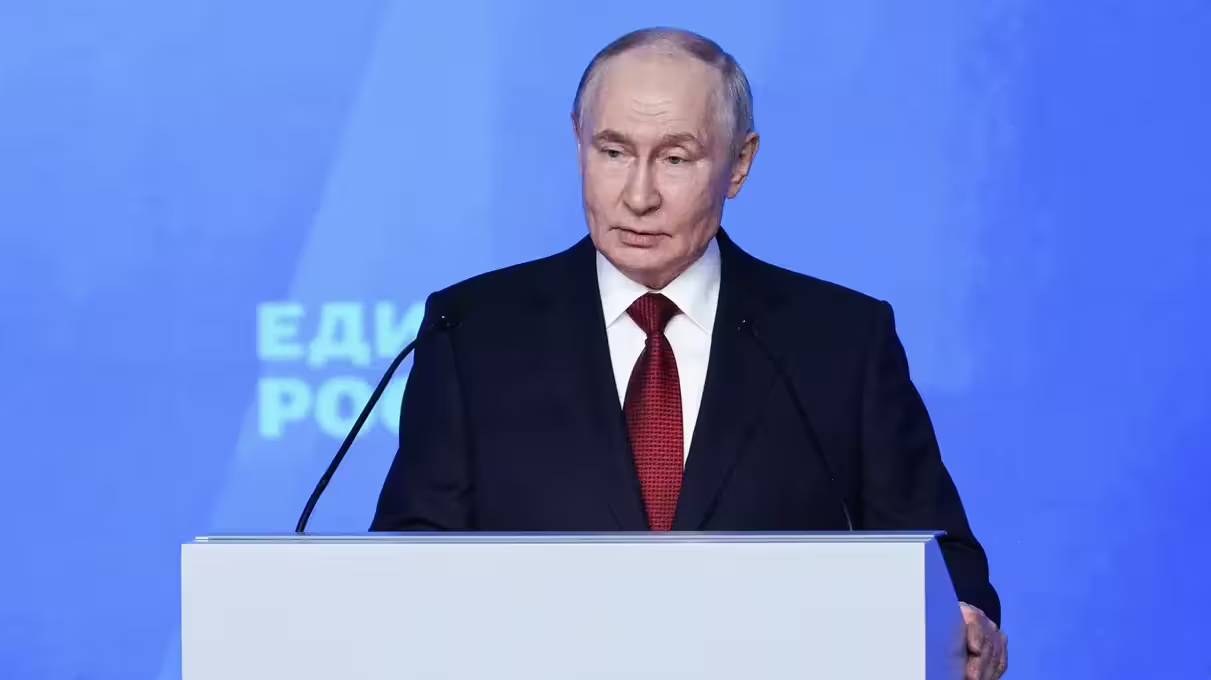
The meeting came a day after Iranian Foreign Minister Abbas Araghchi reiterated that Iran is responsible for managing and fully reopening the Strait of Hormuz. He warned that any attempt to introduce alternative security arrangements would increase tensions and delay the return of normal shipping.
The initiative is particularly significant because it reflects Tehran’s attempt to strengthen the regional legitimacy of its position by working closely with Oman, the other country overlooking the strait. That approach could bolster Iran’s diplomatic argument against Western calls for broader international oversight of one of the world’s most strategic waterways.
The Strait of Hormuz carries roughly one-fifth of global oil trade, making it one of the world’s most critical maritime chokepoints. Any dispute over its management or security has immediate implications for energy markets and global supply chains.
The developments also come as the recent U.S.-Iran memorandum of understanding faces growing strain following accusations by both sides of ceasefire violations and attacks on commercial shipping in the strait. President Donald Trump has warned that the United States could resume military action if Iran continues targeting international maritime traffic.
What to watch
Attention is now turning to whether Oman will remain primarily a mediator between Tehran and Washington or gradually align itself with Iran’s proposal for greater joint control over the Strait of Hormuz. Upcoming U.S.-Iran negotiations are also expected to determine whether this approach evolves into a broader regional framework or becomes another source of confrontation.