
Details
- France’s public health agency said the country recorded around 1,000 excess deaths during the peak of the heatwave.
- Most of the deaths involved older people, with authorities saying those aged 65 and above were especially affected.
- French officials warned the toll is expected to rise as more data comes in from private homes and residential care facilities.
- The World Health Organization said more than 1,300 excess deaths had been recorded across Europe since June 21.
- WHO chief Tedros Adhanom Ghebreyesus said around 150 million people were living under extreme heat, with schools closed, health systems under pressure and power grids strained.
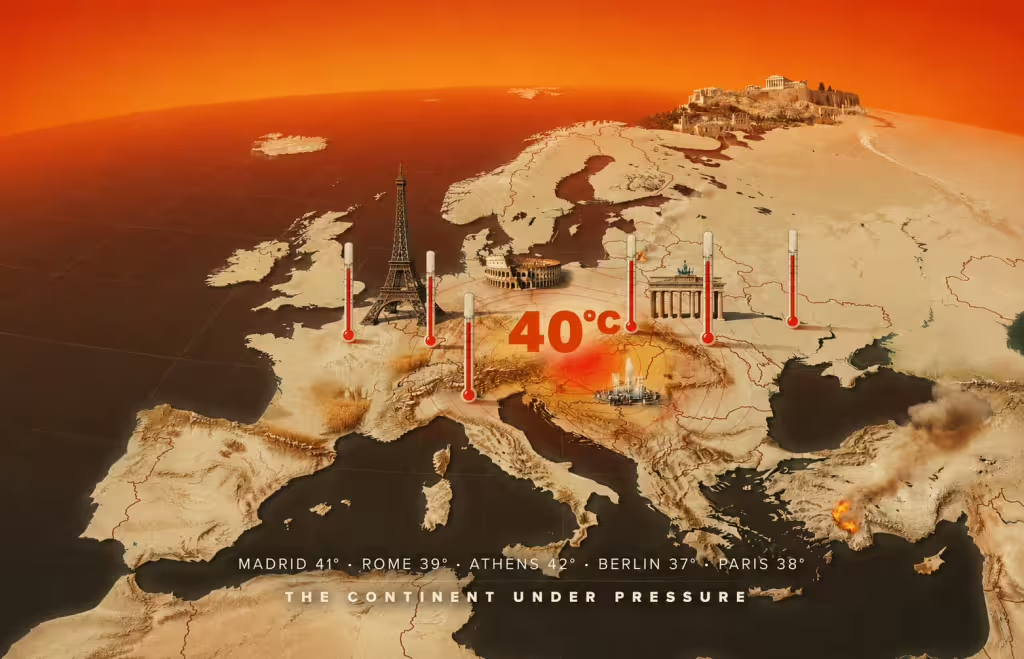
- Temperatures exceeded 40°C in parts of Germany, Poland, the Czech Republic and Austria, setting new national and regional records.
- Germany recorded provisional highs above 41°C, while rail services were reduced and Leipzig suspended trams after heat damaged tracks and switches.
- In France, storms brought some cooler air but also caused power outages, leaving tens of thousands of households without electricity.
- Hungary’s Paks nuclear power plant reduced output because the Danube River was too warm to use safely for cooling.
- In Italy, low flow in the Po River allowed seawater to move inland, raising concerns for agriculture and protected wetlands.
- Forecasters expect cooler conditions across much of Western Europe, while the heat shifts toward Central Europe and the Balkans.
- Scientists said the record heat would have been virtually impossible without human-caused climate change, which is making extreme heatwaves more frequent and intense.
What Else
Health officials warned that heat-related deaths and illnesses may continue rising even after temperatures begin to fall. The heatwave has renewed pressure on European governments to strengthen preparedness for extreme heat, especially in homes, schools, hospitals and transport systems.