The latest
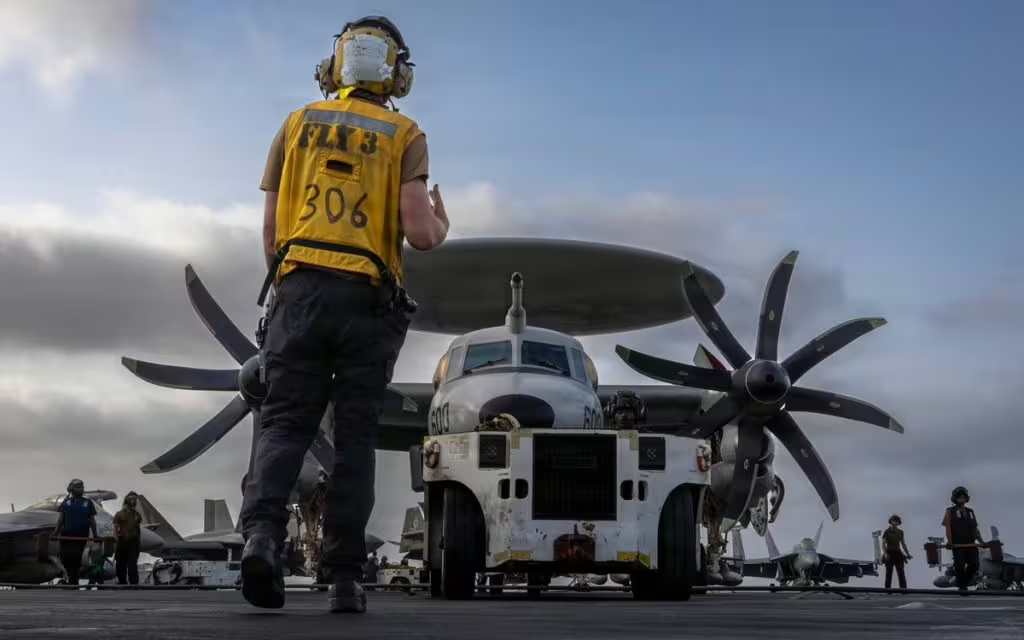
The limited military confrontation between the United States and Iran entered a more dangerous phase early Sunday after U.S. forces carried out fresh airstrikes against Iranian military targets near the Strait of Hormuz in response to an attack on the Panama-flagged oil tanker Keiko, according to U.S. Central Command.
CENTCOM said the strikes targeted Iranian military surveillance infrastructure, communications systems, air defense sites, drone storage facilities, and mine-laying capabilities, describing the operation as a “direct response to ongoing Iranian aggression.”
According to U.S. officials, the Keiko was struck by a one-way attack drone while transiting the Strait of Hormuz after departing Qatar’s Al Shaheen oil field. It was the second attack on a commercial vessel in the waterway within days. Tehran has not claimed responsibility.
Iran’s state news agency IRNA described the U.S. strikes as another violation of the ceasefire, while state television reported explosions in the coastal city of Sirik overlooking the strategic waterway.
The U.S. operation followed Bahrain’s announcement that it had been targeted by two Iranian drones. U.S. officials said one drone was intercepted while the other landed harmlessly in a remote area without causing damage.
Analysts say both Washington and Tehran appear to be testing each other’s red lines while trying to avoid a broader regional war. Since the ceasefire agreement was reached earlier this month, direct hostilities had eased and commercial shipping through the Strait of Hormuz had begun to recover. The latest attacks, however, have put that fragile truce under renewed strain.
The Strait of Hormuz remains one of the world’s most critical energy chokepoints, carrying roughly one-fifth of global oil shipments. Any sustained disruption there could quickly affect international energy markets and global trade.
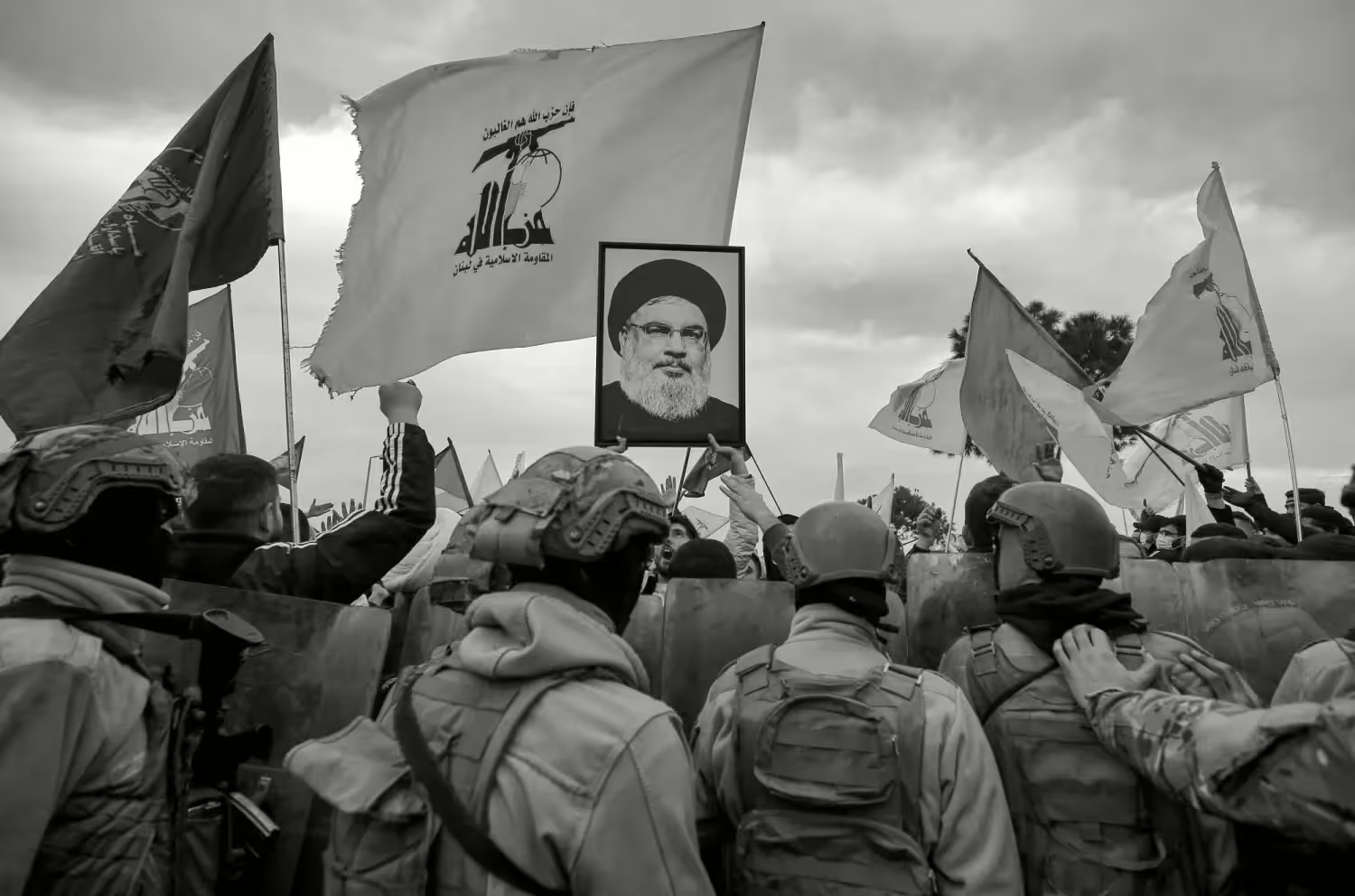
The renewed tensions also come as the Trump administration seeks to consolidate a separate Israel-Lebanon agreement aimed at reducing hostilities along Israel’s northern border. That effort has already faced setbacks after Hezbollah rejected provisions that would effectively require the group to disarm.
Despite the military escalation, financial markets continue to signal expectations that both sides are seeking to contain the conflict. Oil prices retreated after an initial surge, suggesting investors do not yet expect the crisis to develop into a full-scale regional war.
What to watch
The next phase will likely depend on whether Iran limits its response to symbolic attacks designed to preserve deterrence or escalates further against commercial shipping in the Strait of Hormuz. A broader campaign against maritime traffic could prompt a wider U.S. military response and place the ceasefire agreement at serious risk.