The latest
Confusion over the status of the Strait of Hormuz deepened after Washington and Tehran offered sharply different accounts of whether the strategic waterway remains fully open to shipping.
While U.S. officials insist maritime traffic continues under American military monitoring, Iran has maintained that restricting access to the strait remains an option in response to what it describes as violations of the regional ceasefire framework tied to the ongoing conflict.
President Donald Trump said he warned Iranian officials during overnight contacts that closing the strait would carry severe consequences. His remarks came as Vice President JD Vance led a new round of talks with Iranian representatives in Switzerland.
On the ground, however, the picture appears less clear. Vessel-tracking data and maritime intelligence assessments indicate a decline in ship movements compared with previous days, as shipping companies and insurers weigh the risks created by conflicting messages from Washington and Tehran.
Daniel Mueller of maritime intelligence firm Ambrey said tensions remain high, noting that Iranian officials continue to describe the strait as closed despite the absence of new attacks on commercial vessels.
Another maritime intelligence company, Windward, reported a drop in crossings and said some ships appeared to be switching off tracking systems while passing through the area, making it harder to assess actual traffic levels.
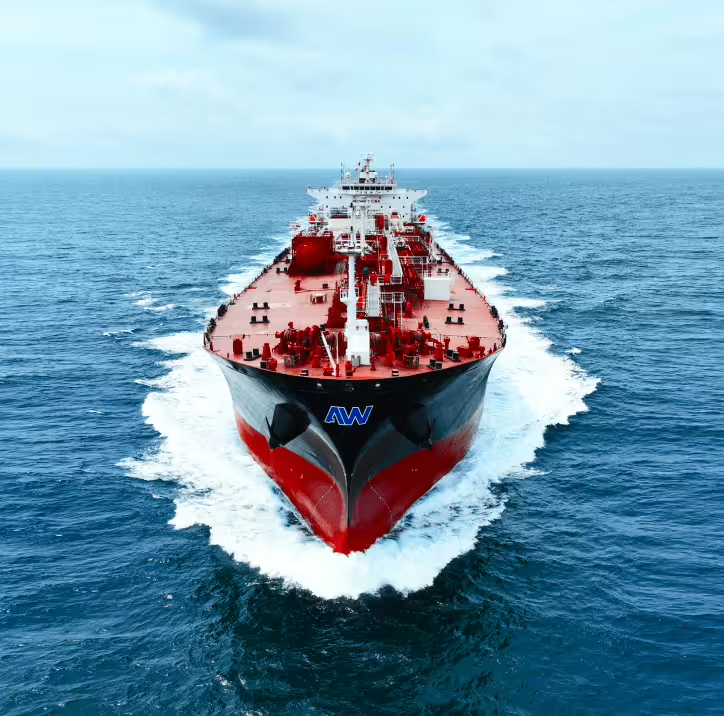
U.S. Central Command, meanwhile, maintains that commercial shipping is continuing through the strait and that American forces are monitoring the situation to ensure safe passage. U.S. Energy Secretary Chris Wright also said dozens of vessels had crossed the waterway in recent hours with assistance from U.S.-guided navigation routes.
Details
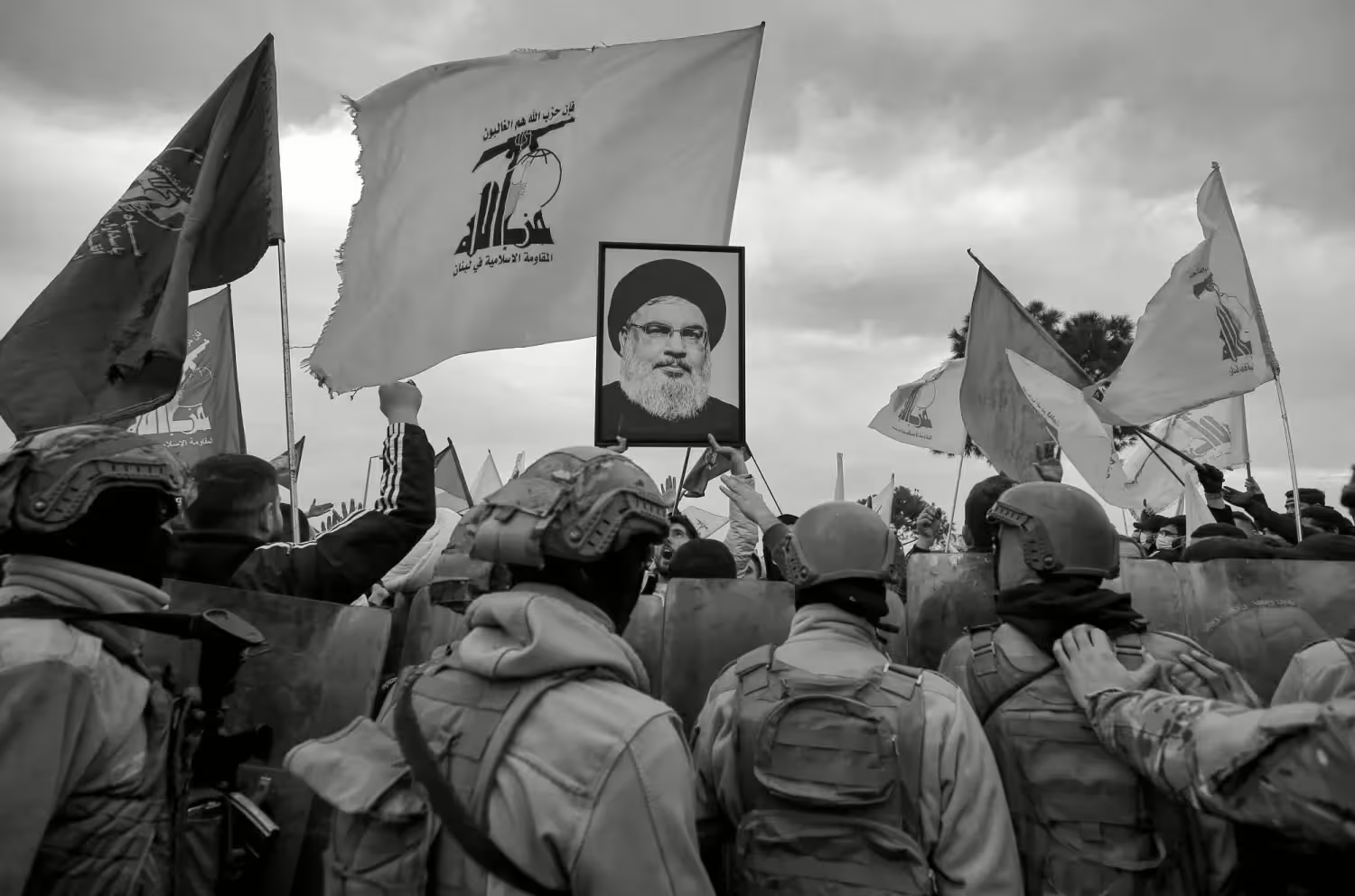
• Iran has linked any restrictions on shipping to continued Israeli operations against Hezbollah in Lebanon.
• Washington rejects claims that Tehran can fully shut down the waterway and says maritime traffic remains active.
• Global shipping operators continue to treat the area as a high-risk zone despite U.S. assurances.
• Any major disruption in the strait could affect roughly one-fifth of the world’s seaborne oil trade.
What to watch
The key indicator in the coming days will not be political statements but actual shipping volumes. If vessel traffic continues to decline despite U.S. claims that the route remains open, the Strait of Hormuz could shift from a negotiating pressure point into a broader global energy concern.