The latest
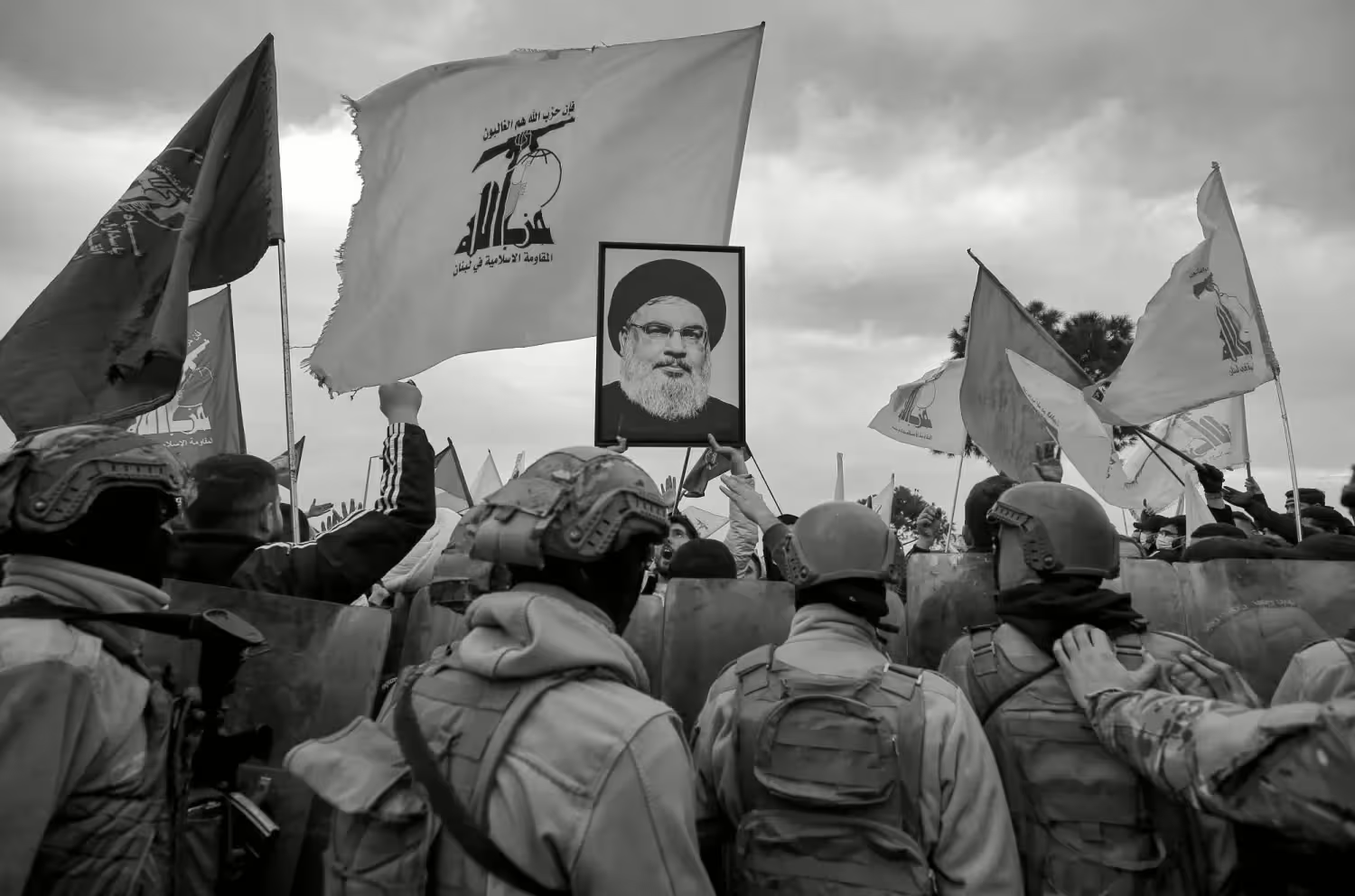
Switzerland’s postponement of the next round of U.S.-Iran talks has collided with a new flare-up in southern Lebanon, where four Israeli soldiers were killed and Israel launched broad strikes across several areas.
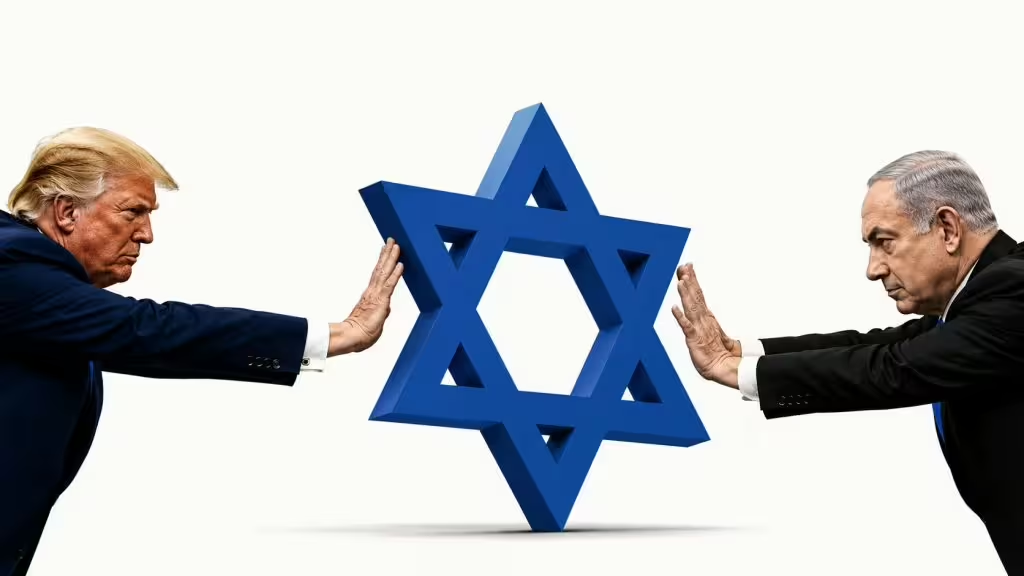
In an interview with Axios, President Trump said he had discovered there were effectively “no limits” to his power since going to war with Iran. He cast himself as a leader able to set the course for allies and adversaries alike, saying Israel has “a lot of respect” for him and “will do as I say.”
Details
• Vice President JD Vance’s planned trip to Switzerland for talks with Iranian officials has been delayed.
• The U.S.-Iran agreement calls for fighting to stop on all fronts, including Lebanon, but Israel is not a direct party to the talks.
• Israeli Prime Minister Benjamin Netanyahu has signaled that Israel does not consider itself bound by the agreement and said his forces would not withdraw from Lebanon soon.
• Hezbollah said its fighters ambushed Israeli forces near the Ali al-Taher heights and targeted Merkava tanks with guided missiles.
• Lebanon’s Health Ministry said Israeli strikes in southern Lebanon killed 18 people and wounded 33.
• Ben Gvir said: “With all due respect to the Americans… Lebanon must burn.”
• Axios reported that Trump described his relationship with Netanyahu as “good,” but added: “We have to keep him a little bit sane.”
• Trump also said Israel would not exist today without U.S. support.
• In the same interview, Trump defended the Iran deal, saying it spared the global economy a broader shock. He pointed to oil prices and markets as evidence that his decision was right.
• At the same time, ship traffic through the Strait of Hormuz has started to improve after the deal was signed, though transit remains below prewar levels.
What to watch
If the fighting between Israel and Hezbollah continues, Washington will face a hard test: defend the deal with Iran, or manage an Israeli ally that refuses to limit its military operations on a front it never negotiated over.
That is where the story becomes political as much as military.