The latest
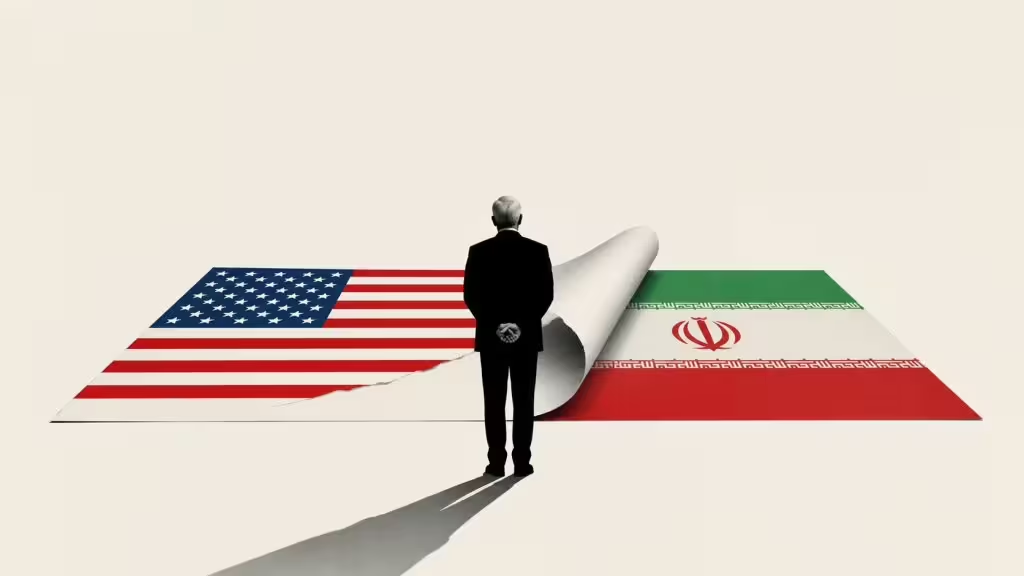
Israel is facing growing anxiety as Washington and Tehran move closer to signing a memorandum of understanding, amid concerns that Iran could gain significant strategic benefits without making major concessions on its nuclear or missile programs.
According to Israeli media reports, senior Israeli officials expressed deep frustration with the negotiations. One official was quoted as saying that “Trump let us down,” while another described the developing agreement as “a disaster” because it fails to meet the objectives Israel expected when the war began.
A central point of contention is Iran’s nuclear program. While President Donald Trump insists the agreement will prevent Iran from obtaining a nuclear weapon, the most sensitive issues—including Iran’s stockpile of enriched uranium and dismantlement mechanisms—appear to have been deferred to follow-on talks expected to continue for 60 days after the memorandum is signed.
The Lebanon component of the agreement is also causing concern in Israel. Iranian Foreign Minister Abbas Araghchi has linked any settlement with Washington to an end to Israeli military operations and an Israeli withdrawal from areas of southern Lebanon that Tehran considers occupied territory.
Israel has publicly rejected that position. Defense Minister Israel Katz said Israeli forces would remain in the security zone in southern Lebanon, while U.S. officials have indicated that any broader “regional peace” arrangement would not eliminate Israel’s right to respond to security threats.
Despite the criticism, Netanyahu has adopted a more cautious tone. In a statement issued after a call with Trump, he welcomed the U.S. president’s commitment that the final phase of negotiations would address the removal of enriched nuclear material, the dismantlement of enrichment infrastructure, limits on missile production, and an end to Iranian support for regional proxy groups.
Details
• The expected agreement focuses primarily on ending the conflict and reopening the Strait of Hormuz, while more complex nuclear issues are postponed to later negotiations.
• Iranian officials continue to dispute parts of the U.S. narrative regarding the deal and maintain that several key details remain unresolved.
• Araghchi has repeatedly argued that any lasting agreement must include an end to Israeli military operations and a withdrawal from southern Lebanon.
• Israel is not a direct participant in the U.S.-Iran talks, reinforcing concerns among some Israeli officials that major decisions are being made without their involvement.
What to watch
The real test of the agreement will come after the memorandum is signed. The next round of negotiations on Iran’s nuclear program and ballistic missiles is likely to determine whether the deal can survive politically and strategically.
At the same time, the future of Israel’s presence in southern Lebanon could become a major point of friction between Washington, Tehran, and Jerusalem if Iran continues pushing to make it part of a broader regional settlement.