

Details
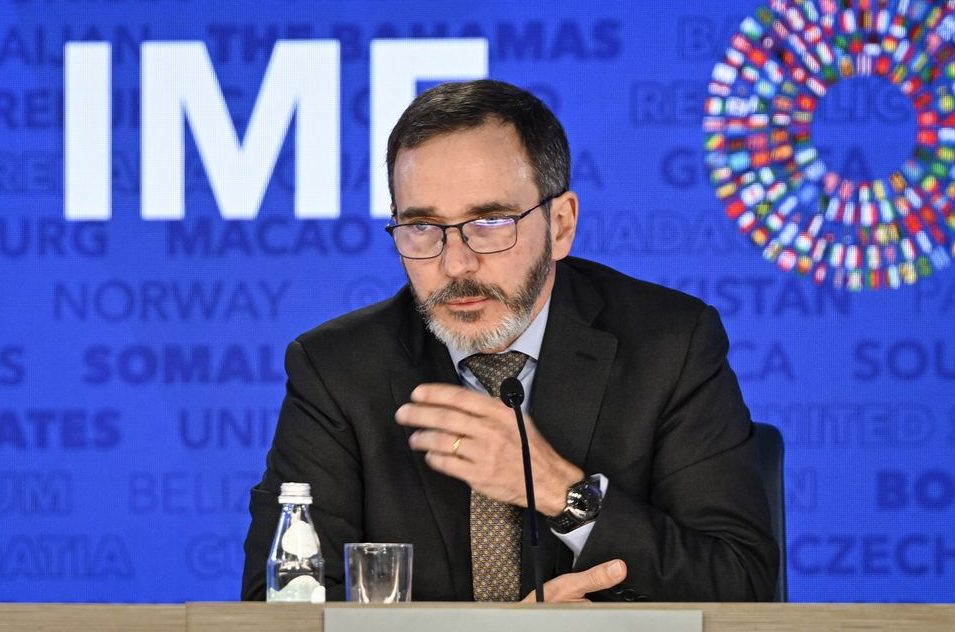
- The International Monetary Fund said the UK economy entered the latest global shock with more momentum than expected, after stronger growth in late 2025 and early 2026.
- The UK economy grew by 0.6% in the first quarter, helped by retail and construction, prompting the IMF to lift its 2026 forecast from 0.8% to 1%.
- The upgrade is still modest. Reuters reported that the new forecast would mark a slowdown from 2025.
- The IMF warned that a prolonged Middle East conflict could weaken growth by pushing up energy and food prices, with the UK especially exposed because it imports more energy than it produces.
- Inflation is expected to rise temporarily and peak at just under 4% later this year, before returning to the Bank of England’s 2% target by the end of 2027.
- The Fund said holding interest rates at 3.75% should be enough if energy prices ease, but the Bank of England should be ready to act if higher costs feed into wages or wider prices.
- The IMF also warned that domestic uncertainty could hold back spending and investment, as Keir Starmer’s government faces political pressure after poor election results.
- Chancellor Rachel Reeves welcomed the upgrade as proof that the government’s economic plan was working, while warning Labour MPs that instability could hurt families and businesses.
- The IMF urged the government to keep deficit reduction on track and said any support for higher energy costs should be targeted and temporary.
What Else
The upgrade gives the government a useful economic boost, but the outlook remains fragile because of war-driven energy risks, political uncertainty, high borrowing costs and weak productivity. Reeves is expected to outline cost-of-living support later this week, but the IMF warned that long-term pressures from ageing, defence and climate costs will force difficult choices.