The latest
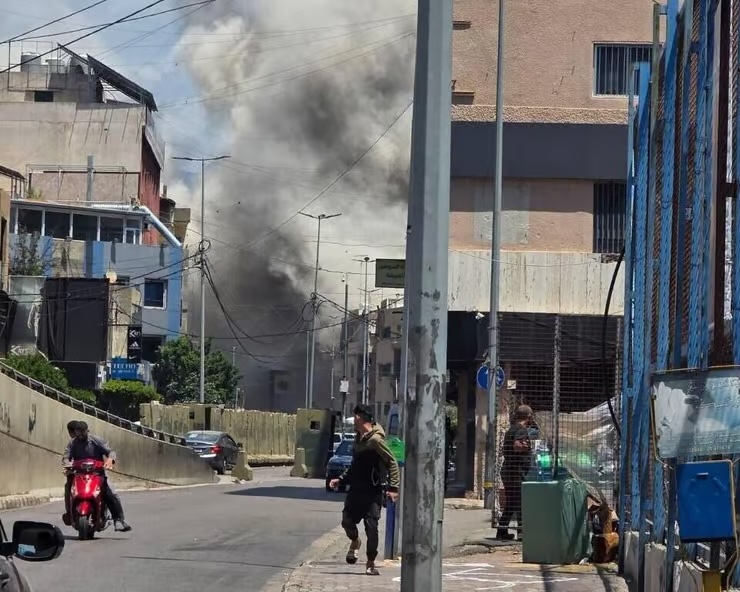
Israel’s strike on Beirut’s southern suburbs on Sunday has raised new questions about whether regional tensions could spill over into the ongoing negotiations between the United States and Iran.
The operation came as Washington and Tehran appear to be moving closer to a broader understanding, with Qatari mediators reportedly engaged in last-minute efforts to finalize the framework of a potential agreement.
Israel said the strike was a response to three Hezbollah drones that crossed into Israeli territory and exploded near the Lebanese border. Lebanese media reported one fatality and four injuries.
Details
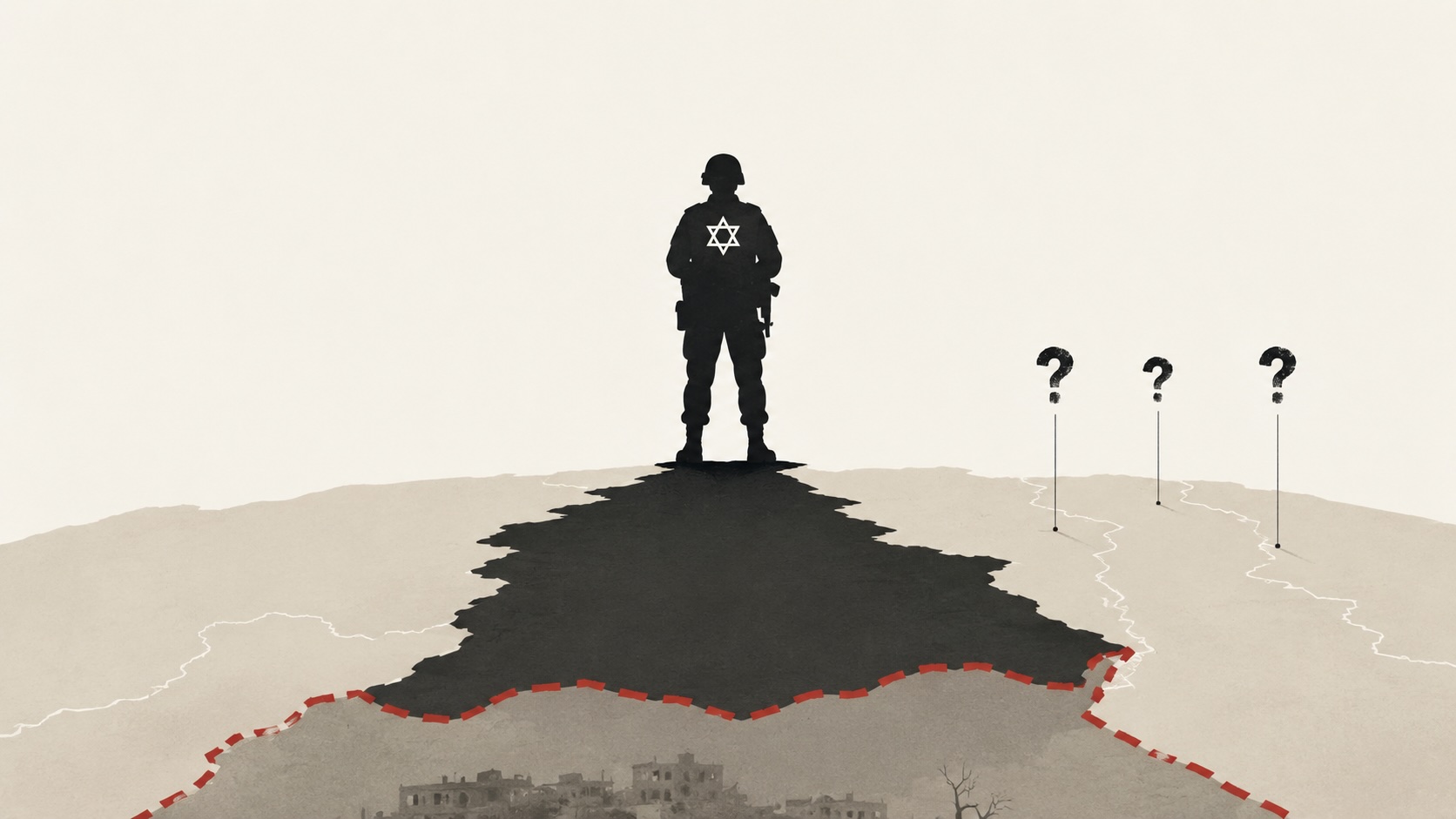
• Israeli officials described the operation as part of a new security approach toward Hezbollah, signaling that future attacks from Lebanon could trigger faster and more direct responses.
• The strike took place hours before a Qatari delegation was due to arrive in Tehran, in coordination with Washington, to help complete arrangements for a U.S.-Iran memorandum of understanding, according to CNN.
• Previous reports suggested that Iran has sought guarantees regarding Israeli military activity in Lebanon as part of the broader regional environment surrounding any agreement.
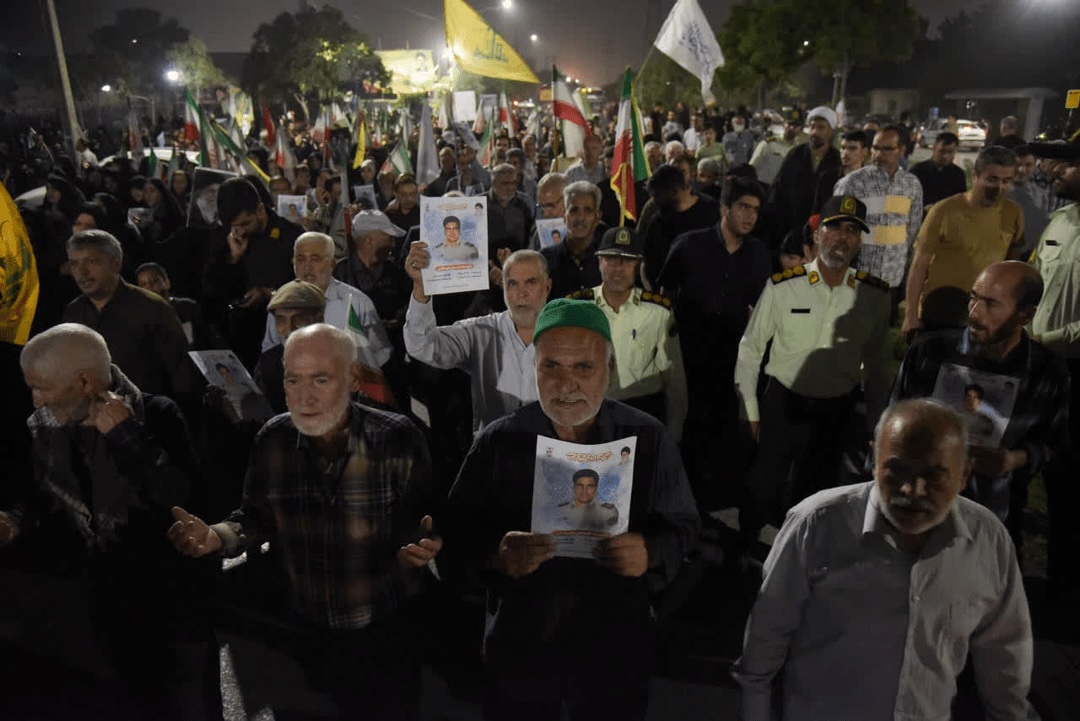
• Iranian officials reacted sharply. Ibrahim Rezaei, spokesperson for the Iranian parliament’s National Security and Foreign Policy Committee, argued that any understanding would require confronting Israel rather than ignoring its actions.
• The escalation is likely to give Iranian hardliners fresh ammunition to argue that Israel is attempting to undermine a U.S.-Iran deal or create new facts on the ground before it is finalized.
• At the same time, Israel appears determined to signal that no diplomatic process with Tehran will limit its freedom of action against Hezbollah.
What to watch
The key question is no longer the strike itself but Tehran’s response. If Iranian leaders treat the incident as separate from the negotiations, the agreement may remain on track. If Lebanon becomes a new point of contention in the talks, however, the emerging U.S.-Iran understanding could face a significant test at a critical stage.