The latest
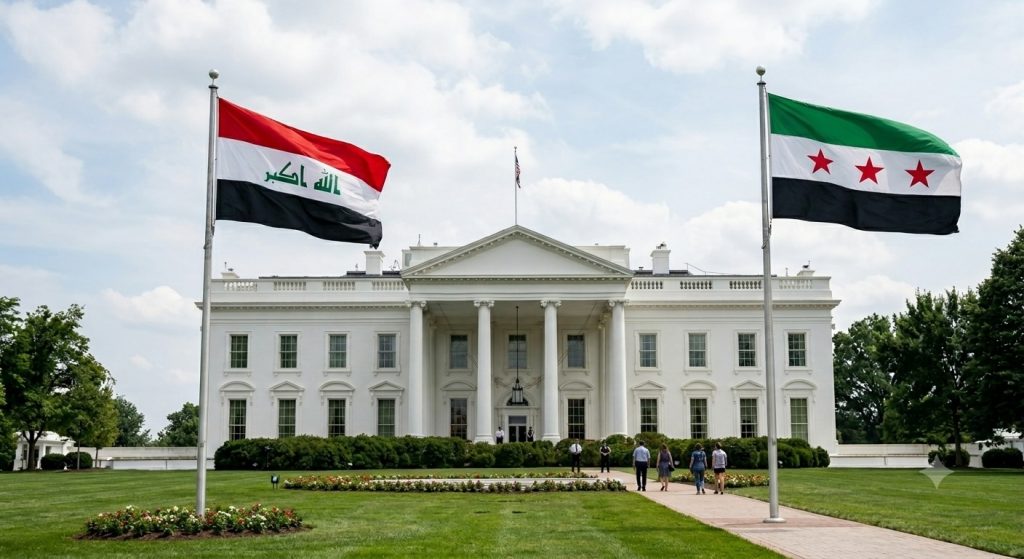
Attention is turning to Washington as Iraqi Prime Minister Ali al-Zaidi prepares for a visit to the United States in July, while reports indicate Syrian President Ahmad al-Sharaa may also be planning a trip to the White House.
The developments come as President Donald Trump’s administration reassesses its regional priorities and looks to strengthen political and economic partnerships across the Middle East.
According to Rudaw, economic and investment issues will dominate al-Zaidi’s discussions in Washington, alongside broader strategic relations between Baghdad and the United States.
The visit carries particular significance for al-Zaidi, who took office only months ago after a prolonged political deadlock following Iraq’s 2025 elections.
Details
• Baghdad is seeking greater U.S. investment and deeper economic cooperation as a central pillar of its government agenda.
• Iraq continues to face economic pressure linked to regional instability and disruptions affecting trade and energy routes.
• The Iraqi government is also attempting to curb the influence of Iran-backed armed groups, increasing its need for political and economic support from Washington.
• Reports suggest Ahmad al-Sharaa is considering a White House visit as Damascus seeks to capitalize on improving ties with the Trump administration and efforts to ease sanctions on Syria.
• Syria is looking to attract foreign investment and accelerate reconstruction projects while promoting regional energy, transport, and trade initiatives.
• U.S. Ambassador to Turkey Tom Barrack oversees both the Iraqi and Syrian files, giving Washington a unified diplomatic channel for engagement with the two countries.
• The diplomatic activity comes as the international coalition’s mission against ISIS nears its conclusion in both Iraq and Syria, potentially opening a new phase focused on economic development and regional stability.
Iraq and Syria in Washington’s Calculations
The emerging diplomatic track appears to be about more than routine bilateral meetings.
Baghdad is seeking to rebalance its foreign relationships and reduce dependence on Iran, while Damascus is attempting to reposition itself as a credible regional economic and political partner.
At the same time, the Trump administration is working to demonstrate that it can stabilize Iraq and Syria while pursuing a broader understanding with Tehran. That gives the potential visits significance beyond traditional diplomacy.
What to watch
The key question is whether Washington’s approach will remain focused on economic support or evolve into a broader regional strategy designed to reduce Iranian influence and integrate Iraq and Syria into new economic and security frameworks backed by the United States and its partners.