Details
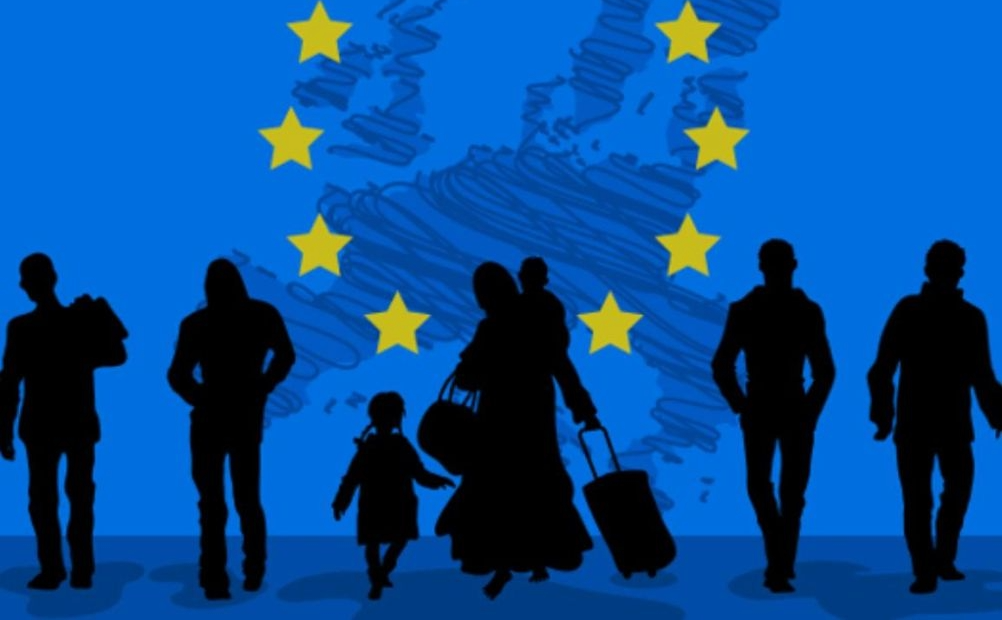
- The EU’s Migration and Asylum Pact took effect on June 12, marking the bloc’s main response to weaknesses exposed during the 2015 migration crisis.
- The pact introduces mandatory screening at the EU’s external borders and fast-track procedures for applicants from countries with low asylum recognition rates.
- Some applicants may be processed in largely closed border facilities while their cases are assessed.
- Brussels says the rules are meant to reduce irregular arrivals, speed up returns and stop asylum seekers moving between EU countries after arrival.
- The pact also expands the Eurodac database, allowing authorities to track asylum seekers through documents, fingerprints and other information.
- A new solidarity system requires countries under less migration pressure to support frontline states through relocations, payments or operational help.
- Under the first solidarity pool, countries set targets to relocate 21,000 migrants from Italy, Spain, Greece and Cyprus or provide €420 million in support.
- But the system is already contested. Several countries have ruled out taking migrants, while Hungary and Slovakia pledged neither relocations nor financial support.
- Germany has also said it will not take asylum seekers this year under the system and wants to keep internal border checks, despite EU calls to phase them out.
- The European Commission has warned that several countries, including Germany, Greece and Italy, still do not fully meet the new asylum-system requirements.
- The EU is also exploring return hubs outside the bloc for rejected asylum seekers, but those centres currently exist only on paper.
- Rights groups warn that wider detention powers, limited access to regular asylum procedures and under-resourced safeguards could put vulnerable people at risk.
- Analysts also say deterrence alone will not reduce migration unless Europe addresses root causes such as conflict, poverty and political repression.
What Else
The pact’s first test is whether EU states can share responsibility in practice while reducing internal border checks across the Schengen area. Further disputes are likely over deportations, return hubs, rights safeguards and the cost of implementation.