By Colin P. Clarke and Adrian Shtuni
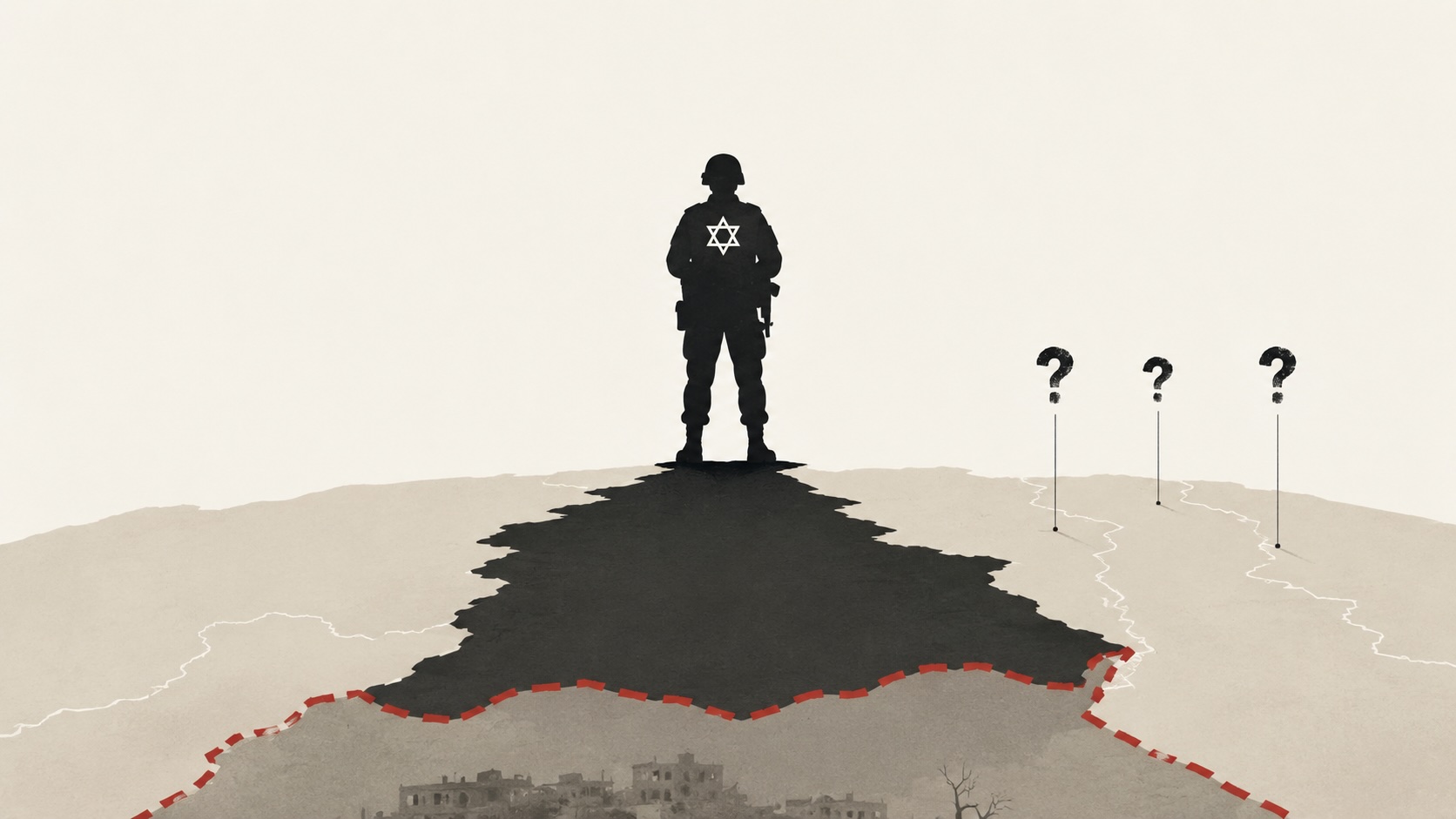
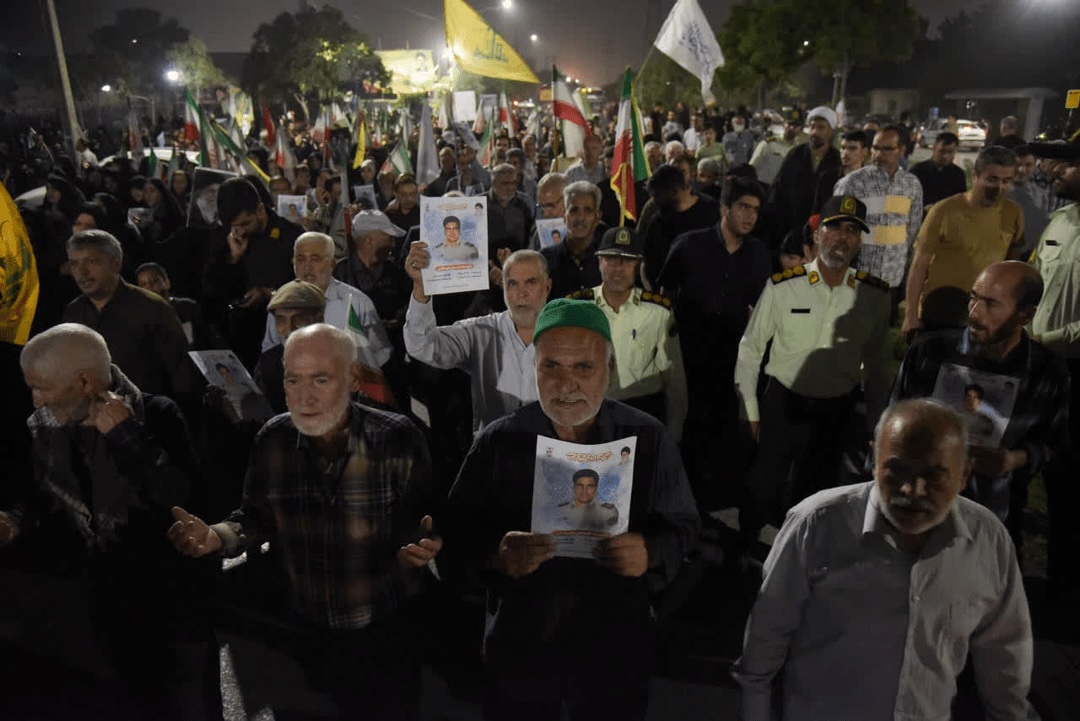
It appears that the Iranian regime is not busy enough. Even as it remains preoccupied with conflict at home, it continues to devote considerable effort to exporting terrorism abroad. Consider the complaint filed by the U.S. Department of Justice against Mohammad Baqer Saad Dawood al-Saadi. According to the government, al-Saadi, a 32-year-old commander in Kataib Hezbollah, was responsible for several plots and attacks in Europe and North America claimed by the Islamic Rightful Owners Movement, a front organization allegedly operating on behalf of Iran’s Islamic Revolutionary Guard Corps (IRGC). He was arrested in Turkey while en route to Moscow and pleaded not guilty last week.
The arrest of al-Saadi and the rise in attacks carried out by the “HAYI” movement underscore that the West remains a battleground for rogue states waging covert warfare. Russia has employed similar tactics for years, relying heavily on the recruitment of low-level operatives through “gig economy” arrangements facilitated via Telegram. Reports indicate that Russian intelligence services have recruited more than 800 Ukrainians for missions involving arson, infrastructure sabotage, and espionage in recent years. Similar schemes have also spread to Britain, Poland, Germany, and the Baltic states.
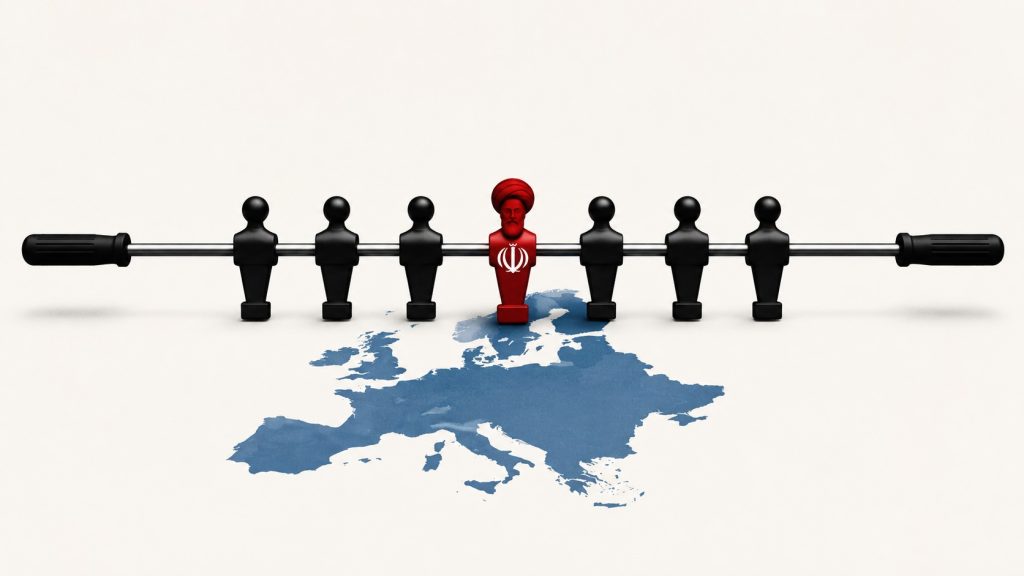
Tehran has adopted a comparable approach, mirroring Moscow’s hybrid warfare model by using disposable agents—some of them minors—to conduct targeted retaliatory operations in Western countries. The HAYI movement, allegedly linked to al-Saadi, emerged in March, only days after the escalation of U.S. and Israeli operations against the regime. The group has claimed responsibility for at least 18 attacks across Europe, targeting Jewish synagogues, Jewish schools, ambulances, and community centers. The organization and its supporters have openly flooded pro-Iranian channels with videos of their attacks, amplifying fear and intimidation in real time.
Many of these attacks are explicitly antisemitic and intended to intimidate Jewish communities. Yet the broader objective is likely far more expansive. Terrorism, often carried out by Muslim migrants, fuels fear among Jews, resentment among Muslims, and suspicion throughout the wider public. Such activity deepens existing social divisions, sows discord, and undermines the stability of European societies. It represents an unconventional form of terrorism designed to provoke unrest, and Europe appears thus far to be responding with a troubling degree of leniency.
One case in particular illustrates the problem. In December 2025, three Serbian citizens in Smederevo were convicted on charges of espionage and incitement to racial and religious hatred. Their alleged activities included placing pig heads in front of nine mosques across Paris, spraying Jewish sites with green paint, and posting flyers in the French capital referencing the mass killings committed by the Ottoman Empire against Armenian Christians. Court records later confirmed that Russian intelligence services had directed and financed these operations. According to the rulings, the stated objective was to inflame religious and ethnic tensions and destabilize France. Yet the three defendants received sentences ranging from six to eighteen months of house arrest under electronic monitoring. In other words, the punishment was remarkably lenient for a foreign intelligence-directed destabilization operation.
The strategy behind such attacks is to exploit the vulnerabilities of the targeted state. Once an operative ignites a crisis, the host country often does the rest. It is therefore unsurprising that Europol warned earlier this year about these threats across the continent. Political polarization, antisemitism, and challenges related to migrant integration, among other factors, provide fertile ground for manipulation.
So-called “hybrid threats”—a term less severe than terrorism—should be treated with the same seriousness that governments applied to jihadist extremism during the height of the Islamic State’s self-proclaimed caliphate. This includes prioritizing public awareness campaigns to warn vulnerable individuals within diaspora and refugee communities about recruitment efforts. European capitals should also strengthen cross-border cooperation among intelligence and law-enforcement agencies. These institutions must devote greater resources to disrupting network hubs both online and offline, including those coordinating low-level operatives throughout Europe.
Washington could use these developments to reinforce its defenses against threats on American soil. Al-Saadi, for example, is alleged to have attempted to coordinate attacks against a prominent synagogue in New York City, as well as Jewish community centers in Los Angeles and Scottsdale, Arizona. The case also presents an opportunity for the United States to deepen cooperation with its allies in order to prevent similar plots from materializing in the future.
Equally important, rogue states must understand that they will face consequences for conducting hybrid aggression. Cyber campaigns aimed at exposing recruitment networks can disrupt their activities, while banning the platforms used by HAYI and similar front organizations would slow the spread of their propaganda. Additional sanctions on state sponsors would send a clear signal that the West is serious about countering such operations while simultaneously cutting off the financial resources that sustain them.
The arrest of al-Saadi may reduce the pace of HAYI’s activities in the short term, but Western capitals should not expect this strategy to disappear. Tehran understands the effectiveness of disposable operatives, and such attacks are likely to continue until the West develops a more effective counterterrorism strategy.
Adrian Shtuni is the CEO of Shtuni Consulting, and Colin P. Clarke is the executive director of the Soufan Center.