The latest
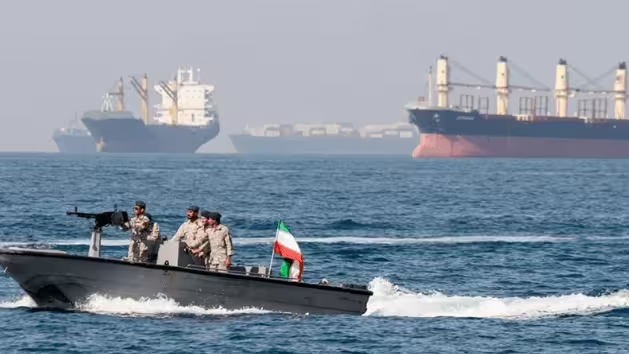
The first tangible signs of a potential return of Iranian oil exports to global markets have emerged after three Iran-linked tankers carrying nearly five million barrels of crude left the naval blockade zone in the Strait of Hormuz.
According to shipping data from Kpler, the sanctioned supertankers Diona and Hero 2, both owned by the National Iranian Tanker Company, departed carrying around 3.8 million barrels of Iranian crude. A third Iran-linked tanker left the area with roughly one million additional barrels.
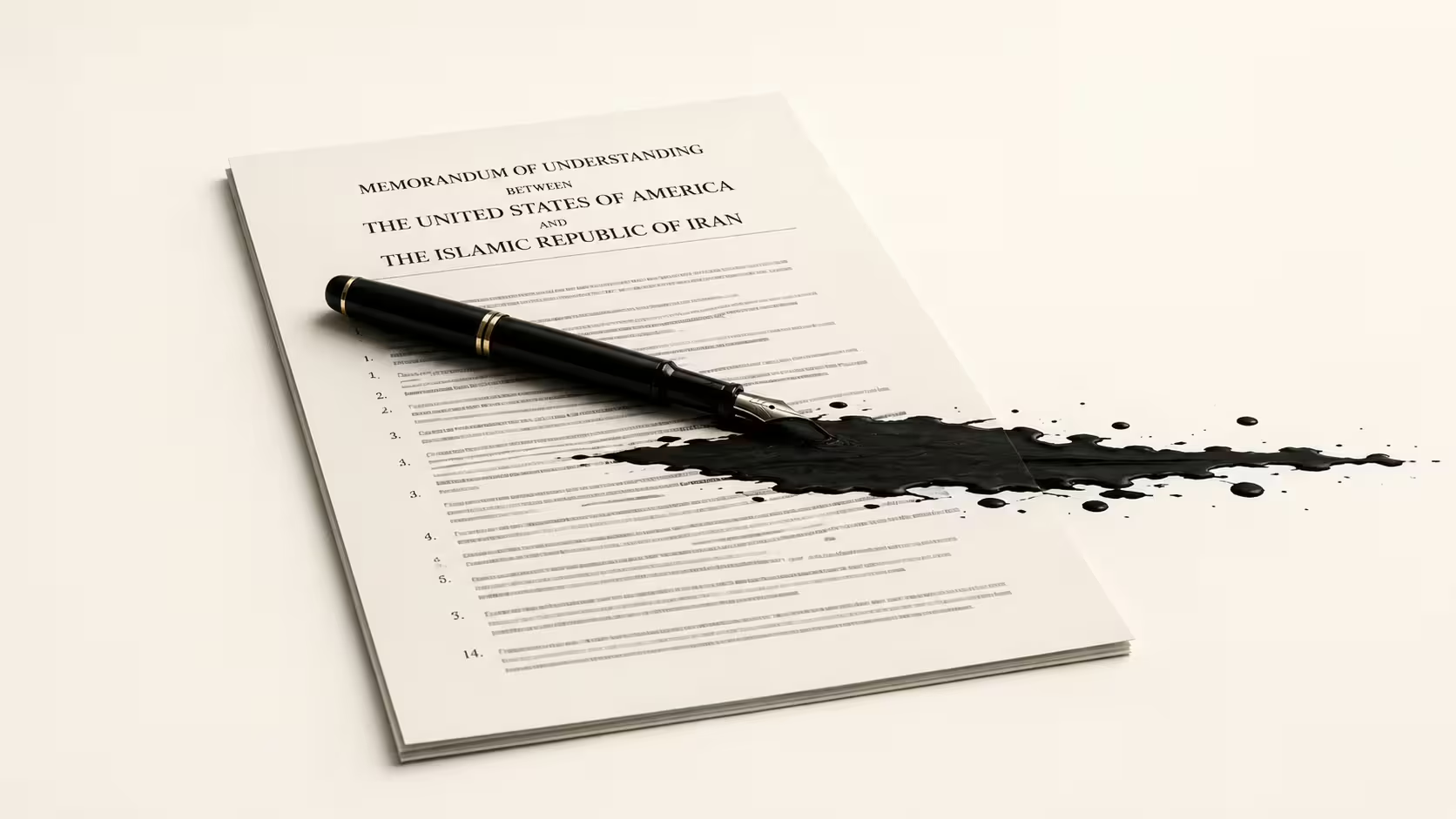
The movements come days before the expected signing of a formal agreement between the United States and Iran in Geneva, following a memorandum of understanding aimed at ending months of confrontation between the two countries.
Michelle Wiese Bockmann, senior maritime intelligence analyst at Windward, said the departures could signal that other vessels involved in Iranian oil trade are preparing to resume operations.
Details
• Markets expect the upcoming agreement to reopen the Strait of Hormuz to commercial shipping and ease restrictions on Iranian oil exports.
• The waterway, which handles a significant share of global oil trade, has experienced major disruptions in recent months, driving up shipping and insurance costs.
• Some shipping companies have already started redirecting vessels toward Gulf ports in anticipation of stronger demand for transport and refueling services.
• Most operators, however, remain in wait-and-see mode, concerned that the current de-escalation could prove temporary rather than a full return to normal conditions.
• Marine insurers have indicated they will not reduce war-risk premiums until clearer evidence emerges that shipping routes are stable and secure.
• Windward reported that dozens of very large crude carriers are already heading toward ports in the United Arab Emirates, while others remain outside the region awaiting greater clarity.
• Restrictions on maritime traffic remain in place pending the formal signing of the agreement, and U.S. authorities have reportedly advised the shipping industry that current navigation procedures remain unchanged for now.
• Kpler estimates that more than 100 loaded tankers could leave the region within two weeks of the agreement taking effect, potentially triggering a sharp but short-term surge in exports.
What to watch
The real test will not be the departure of a handful of tankers but how quickly normal shipping traffic returns to the Strait of Hormuz after the agreement is signed. If insurance risks ease and major shipping companies return, global energy markets could soon face a significant influx of Iranian crude.